(1) What's the buzz?
The 2024 U.S. election has concluded with a dramatic "red triple sweep," marking a significant shift in the political landscape.
Election Outcome
Republicans secured the presidency, control of Congress, and won the popular vote by over 3 million
President-elect Trump received an unprecedented mandate to lead the country with little checks and balances left
Market Reaction
Initial market response aligned with pre-election expectations:
Stocks and cryptocurrencies rallied
Bonds and precious metals faced selling pressure
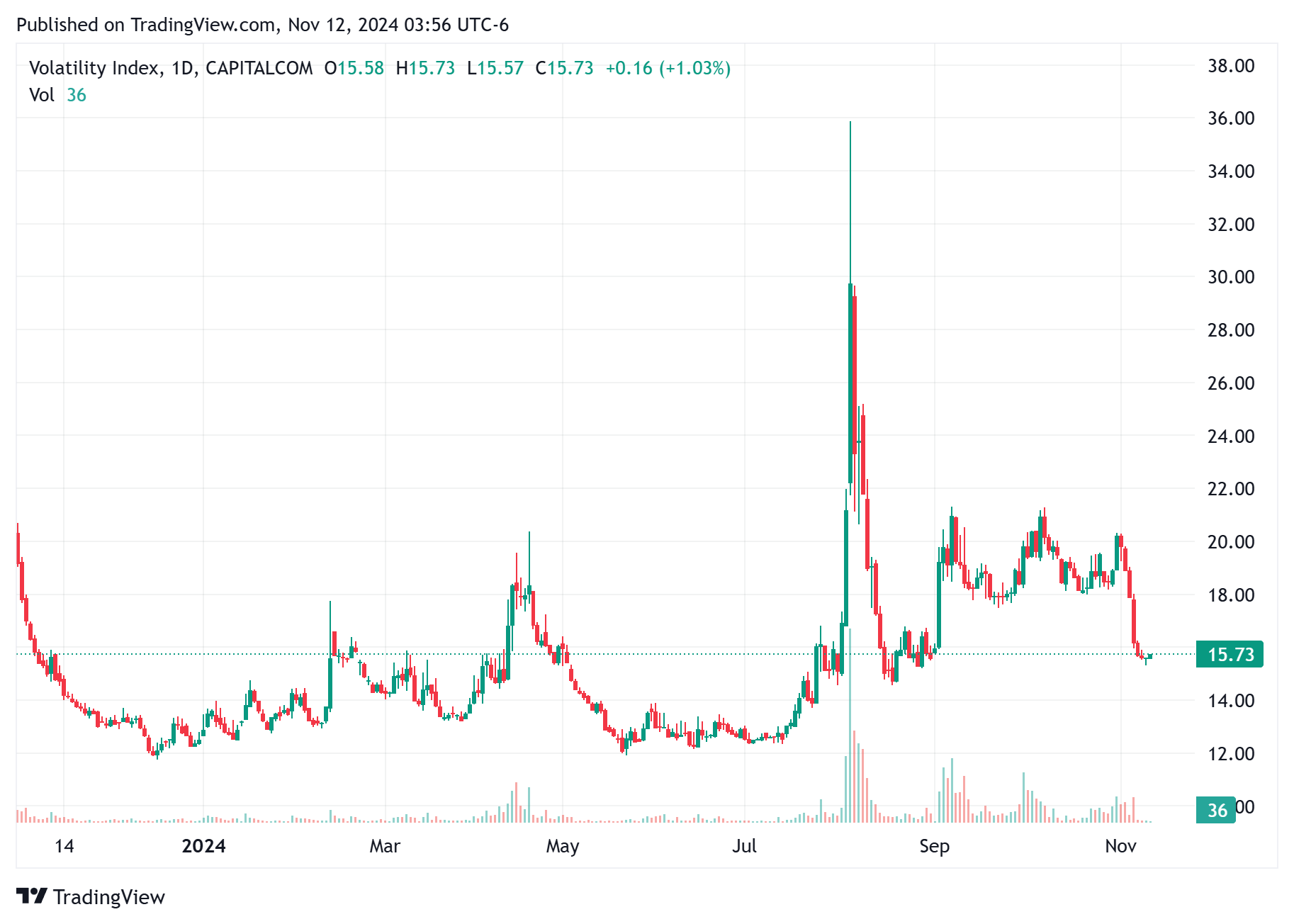
A significant VIX compression rally occurred, with the index dropping from above 20 to below 15
Relief Rally Factors
Swift election resolution eliminated concerns about a contested outcome and potential domestic instability.
Fears of a prolonged legal battle or challenges to the peaceful power transfer were alleviated.
Reconsidering the Rally
Despite the initial positive market reaction, several factors warrant caution:
Geopolitical Risks: Potential for major escalations in the Middle East, Ukraine, or elsewhere before the January 20th inauguration
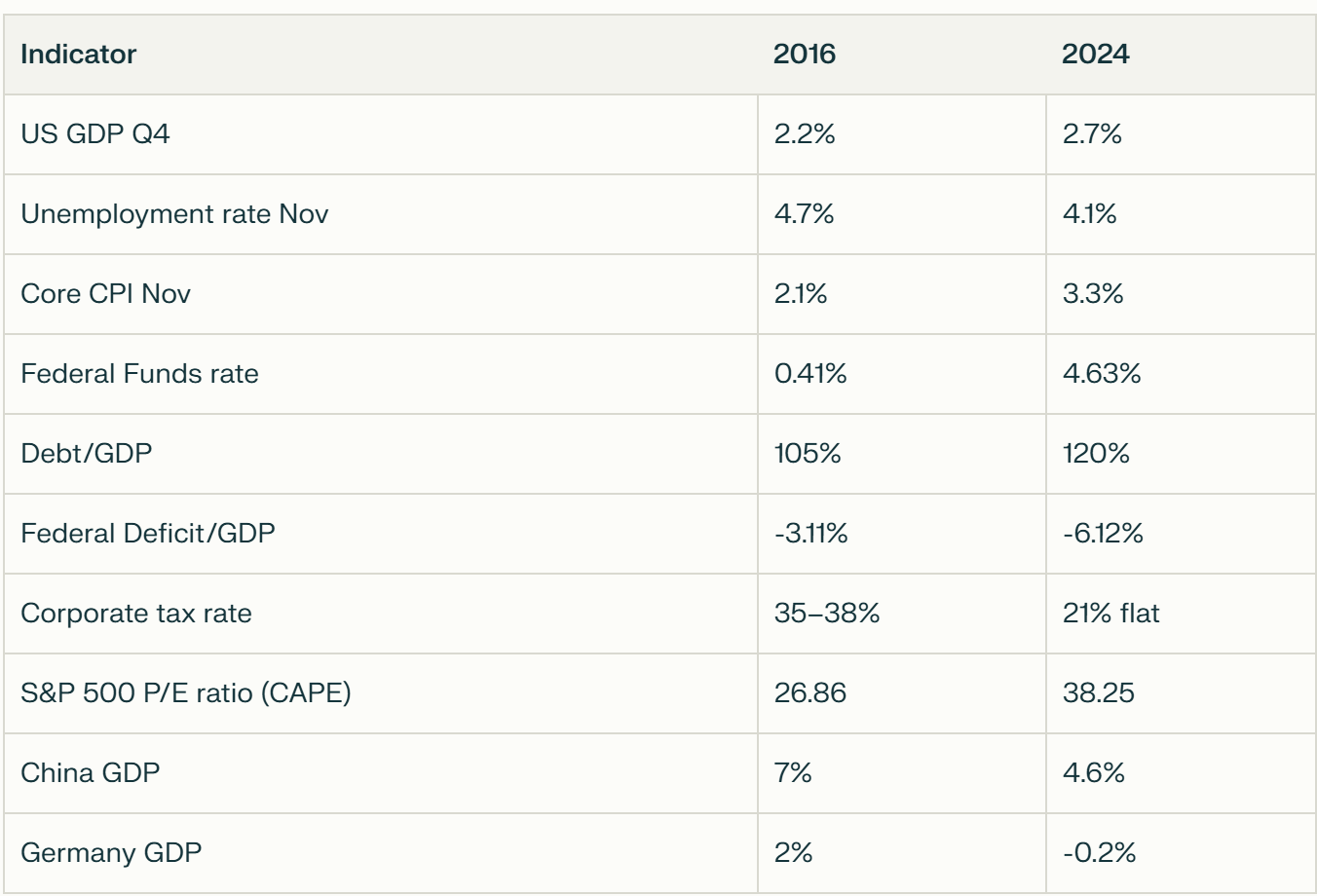
Changed Economic Landscape: The 2024 macro environment differs significantly from 2016-2017:
Higher inflation rates
Increased national debt and budget deficits
Strong U.S. economic growth amid global recession fears
S&P 500 showing bubble-like characteristics, with the Shiller P/E ratio at its second-highest historical level
These factors suggest that Trump's previous economic strategies may require adjustment to be effective in the current economic climate. As the transition period unfolds, markets and policymakers will closely watch how the incoming administration plans to address these unique challenges.
(2) So what?
The economic landscape of 2024 presents a stark contrast to 2016, potentially challenging the effectiveness of Donald Trump's previous campaign strategies. Key differences include:
Inflation and Economic Indicators
Inflation rates have surged significantly
U.S. national debt and budget deficits have reached unprecedented levels
The American economy shows robust growth despite global economic headwinds
Global Economic Climate
The world economy teeters on the brink of recession, creating a complex international backdrop.
Stock Market Valuation
The S&P 500 exhibits signs of a bubble, with the Shiller P/E ratio reaching its second-highest level in history
Current market valuations are surpassed only by the 2000 dot-com bubble, raising concerns about sustainability.
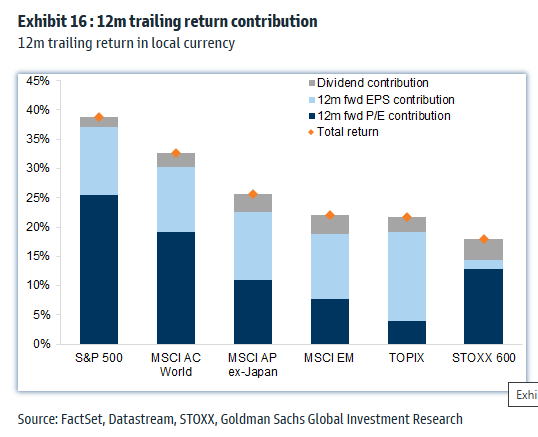
Over half of the S&P 500's trailing 12-month return can be attributed to multiple expansion, which usually requires sustained lower interest rates not to fade.
These factors collectively shape a unique economic environment that may require new strategies and approaches from political candidates, including former President Trump, as they navigate the 2024 election landscape.
(3) Now what?
As President-elect Trump prepares to take office, his economic strategy appears to mirror his 2016 approach. However, the drastically different economic landscape of 2024 presents unique challenges and potential risks:
Trump's Economic Playbook
Lower corporate taxes
Impose tariffs
Implement stricter immigration standards
Reduce regulations
Expand the budget deficit
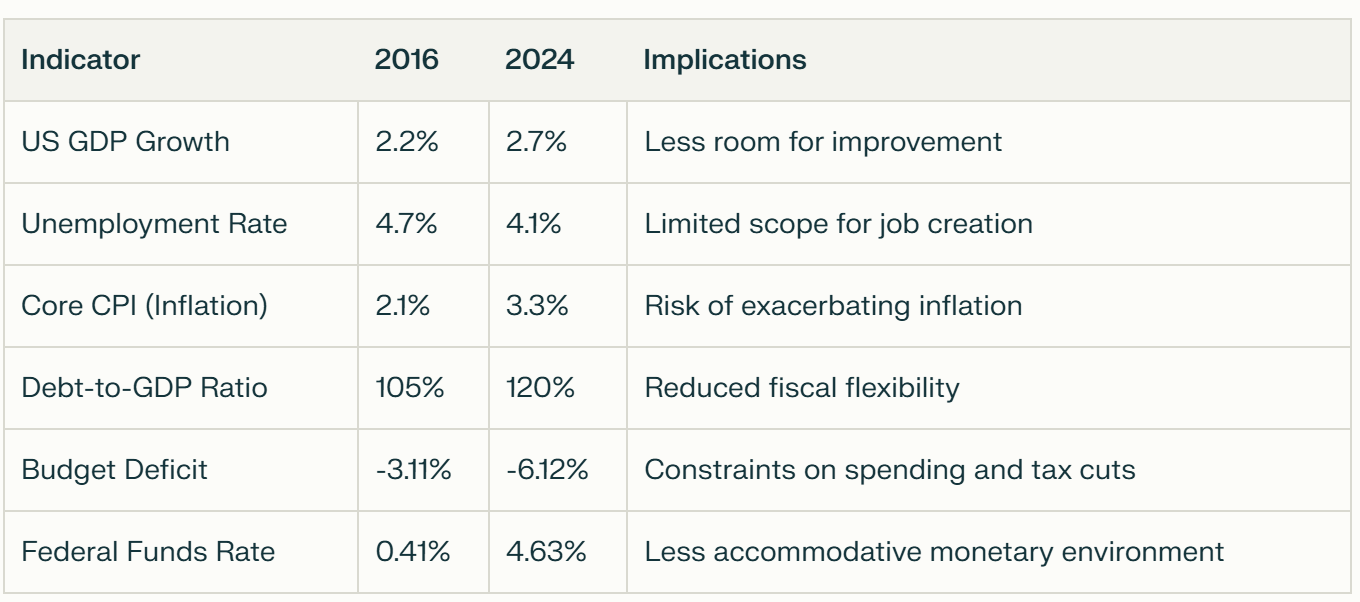
Key Economic Indicators: 2016 vs. 2024
Challenges in Implementing 2016 Strategies
Corporate Tax Cuts: Lowering the rate from 21% to 15% may have less impact than the 2017 reduction from 35-38% to 21%.
Global Economic Context:
China's growth has slowed from 7% to 4.6%
Germany is in a recession
Increasing tariffs could potentially trigger a global recession and heighten geopolitical tensions.
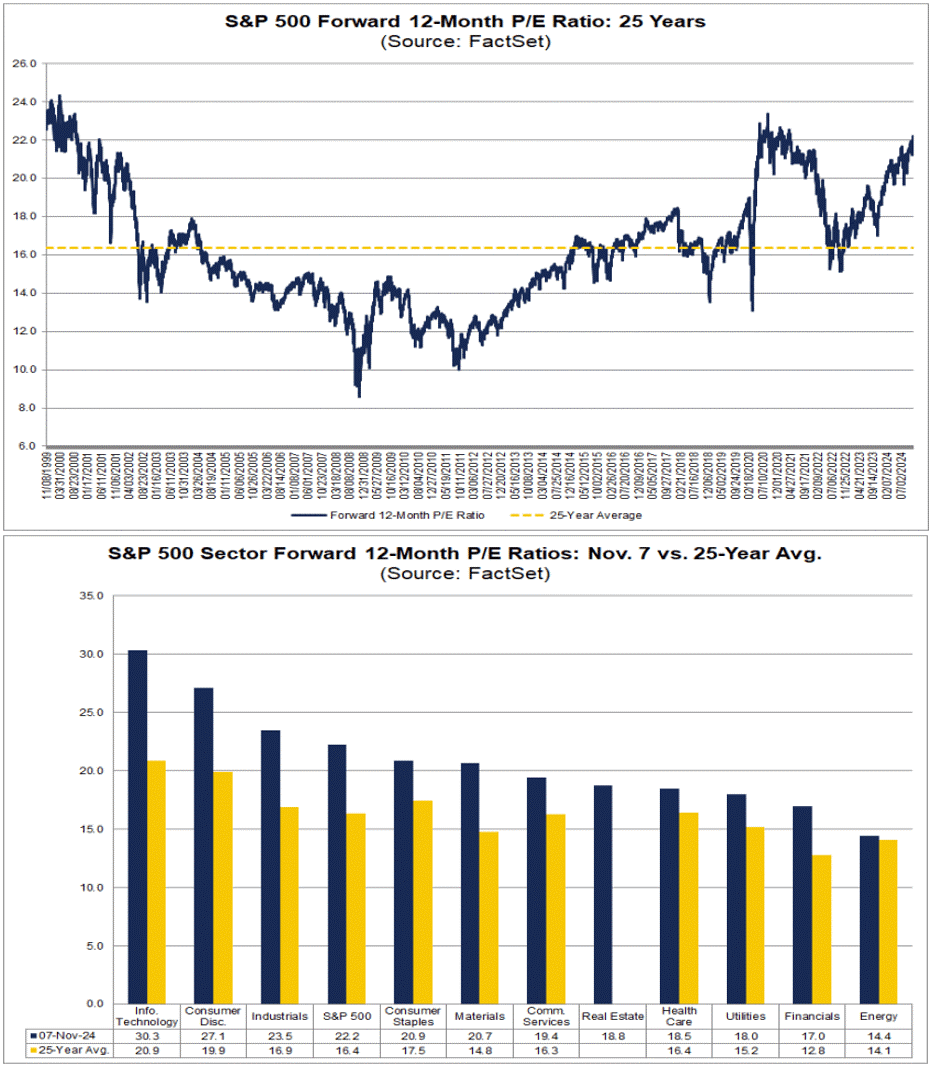
Stock Market Valuation: The S&P 500's Shiller P/E ratio has risen from 26.8 to 38.2, indicating potential bubble conditions and increasing market vulnerability. The index's forward P/E ratio is at its highest (22.2) since April 2021. Ten of eleven sectors are trading at multiples that exceed their 25-year averages.
Potential Risks
Inflationary pressures could intensify with expansionary fiscal policies
Debt downgrade risk if deficit spending increases significantly
Possible USD currency crisis if fiscal and monetary policies are misaligned
Global trade tensions may escalate, particularly with struggling economies
The incoming administration faces the challenge of adapting its economic strategies to a fundamentally different economic environment.
Balancing growth initiatives with inflationary pressures, managing a high budget deficit, and navigating a potentially overvalued stock market will require careful policy calibration.
(4) And next
The effectiveness of Trump's economic approach will largely depend on how well it can be tailored to address new economic realities.
Tailwinds
Industry analysts are likely to revise their earnings estimates upward. Ed Yardeni has raised the 2025 operating earnings per share forecast for the S&P 500 from $275 to $290 and the 2026 forecast from $300 to $320
These estimates assume that the incoming administration will swiftly reduce the corporate tax rate from 21% to 15%. As of early November, industry consensus estimates stood at $275 for 2025 and $308 for 2026
S&P 500 profit margins may climb to new record highs of 13.9% in 2025 and 14.9% in 2026, driven by corporate tax cuts, deregulation, and accelerated productivity growth.
It's worth noting that these projections align with the broader optimistic outlook for the S&P 500, with some analysts forecasting the index to reach 7,000 by the end of 2025 and 8,000 by the end of 2026.
Headwinds
They depend on the long-term bond yields to stay within the current trading range, and bond vigilantes not driving yields close to the 5 % level in 2025.
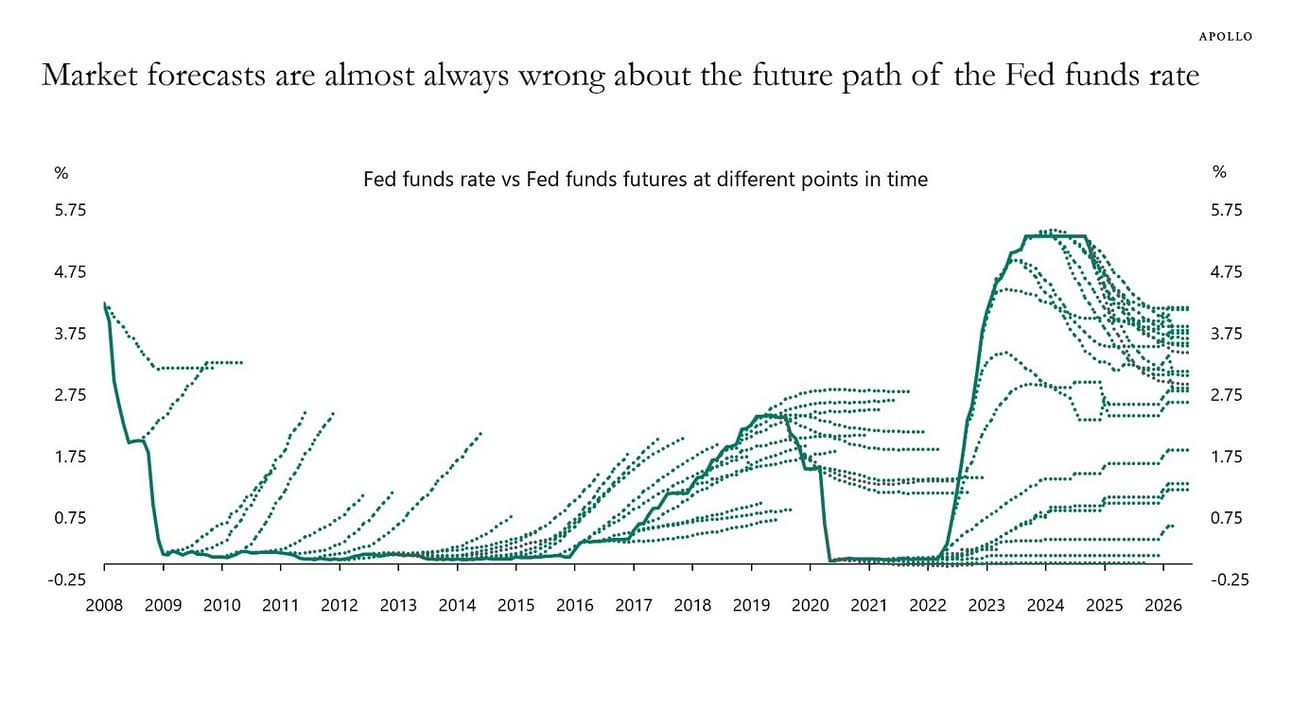
"Fed expectations are wrong. The economy is strong, and there are upside risks to inflation. Markets are pricing in too many Fed cuts." Torsten Slok (Apollo)