


Salve, cari subscripti!
Thank you for reading this week's edition of Closelook@US Stock Markets, dated November 10, 2024 👋. The next edition will be published on November 17, 2024, at 2:00 p.m. ET.
A Closelook At This Edition
This Week's Action: The Trump Rally
US Economy: Trumponomics
US Stock Markets: Trump Winners and Losers
US Stock Market Seasonality: Riding the Bull in November, December, and January
Long-Term Analysis: Elliott Waves - Nasdaq 100
This Week's Spotlight: Nvidia Earnings Ante Portas
Knowledge Corner: Nvidia Investment Ratios
The Derivatives Portfolios: Gains in November And More Transactions
Final Words: Asset Watch Update
(1) This Week's Action: The Trump Rally
Last week, the stock market experienced a rollercoaster ride driven by political developments and monetary policy decisions. The S&P 500 surged an impressive 4.7%, briefly surpassing the 6000 mark on Friday, capping off a week of intense market action.
Donald Trump's victory on Tuesday set the stage for a dramatic shift in market sentiment. The quick and decisive election result alleviated concerns about a potential hung outcome, releasing pent-up tension among investors.
The prospect of a Republican sweep in Congress reignited the "Trump Trade" playbook from 2016, with investors flocking to cyclical, small-cap, and financial stocks.
The Federal Reserve's decision to cut short-term rates by a quarter-point and Chair Jay Powell's dovish stance further fueled the bullish sentiment. This monetary easing came despite recent economic data surprising to the upside and inflation readings hovering slightly above the Fed's 2% target.
Even potential headwinds seemed to lose their bite. The 10-year Treasury yield briefly spiked above 4.4% on Wednesday but remained below springtime highs. Similarly, the dollar index showed strength but stayed below mid-year peaks.
This confluence of factors created a potent mix of bullish catalysts, presenting a challenging environment for bearish investors to navigate in the short term.
Weekly Performance Summary
S&P 500: Closed at 5,996, up 4.7% for the week, with a year-to-date (YTD) gain of 25.7%.
Nasdaq: Closed at 19,287, rising 5.7% for the week and up 28.5% YTD.
Dow: Finished at 43,989, gaining 4.6% over the week, with a YTD increase of 16.7%.
Russell 2000: Closed at 2,400, showing an impressive weekly gain of 8.6% and up 18.4% YTD.
10-year US Treasury: Yield ended at 4.30%, down slightly by -0.1% for the week and up just 0.4% YTD.
Oil: Priced at $70.41 per barrel, up by 1.3% for the week but down -1.7% YTD.
Bitcoin: Surged to $76,411 (above 81,000 USD on Monday morning), posting an impressive weekly gain of 11.1%, with a massive YTD increase of 80.8%.
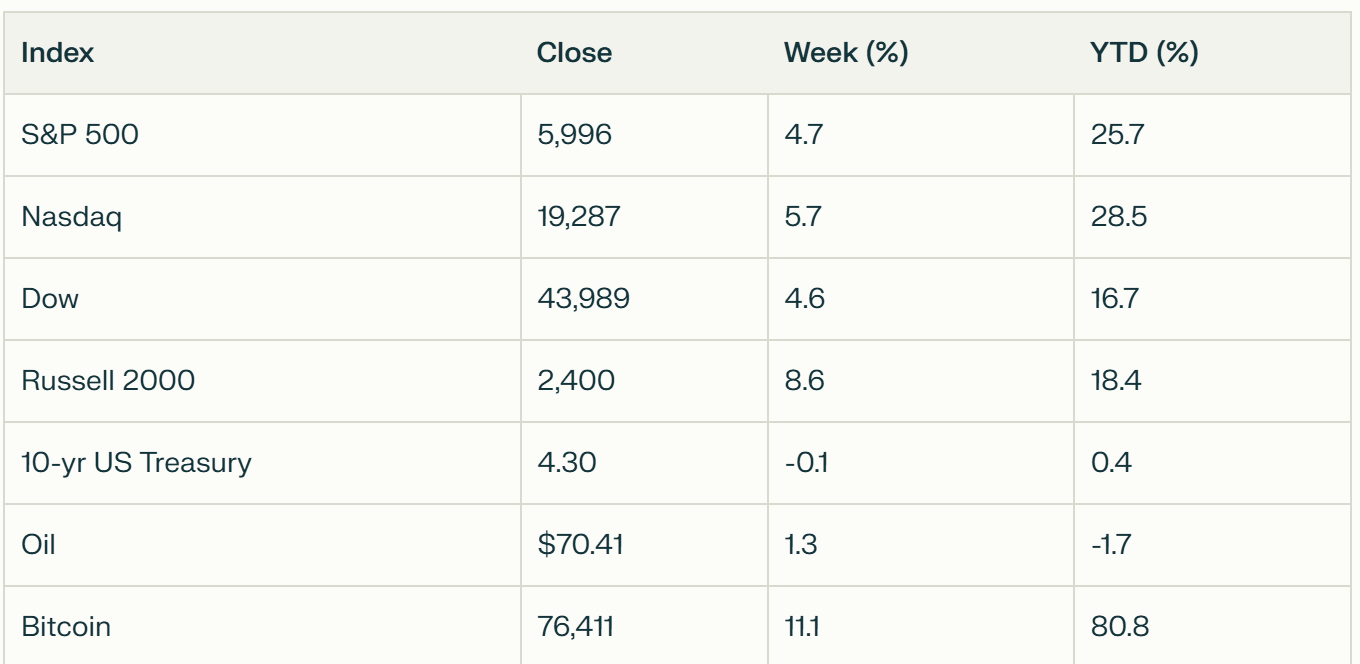
This highlights strong performances across equities and cryptocurrencies, while bonds and oil showed more modest movements, and gold lost its luster.
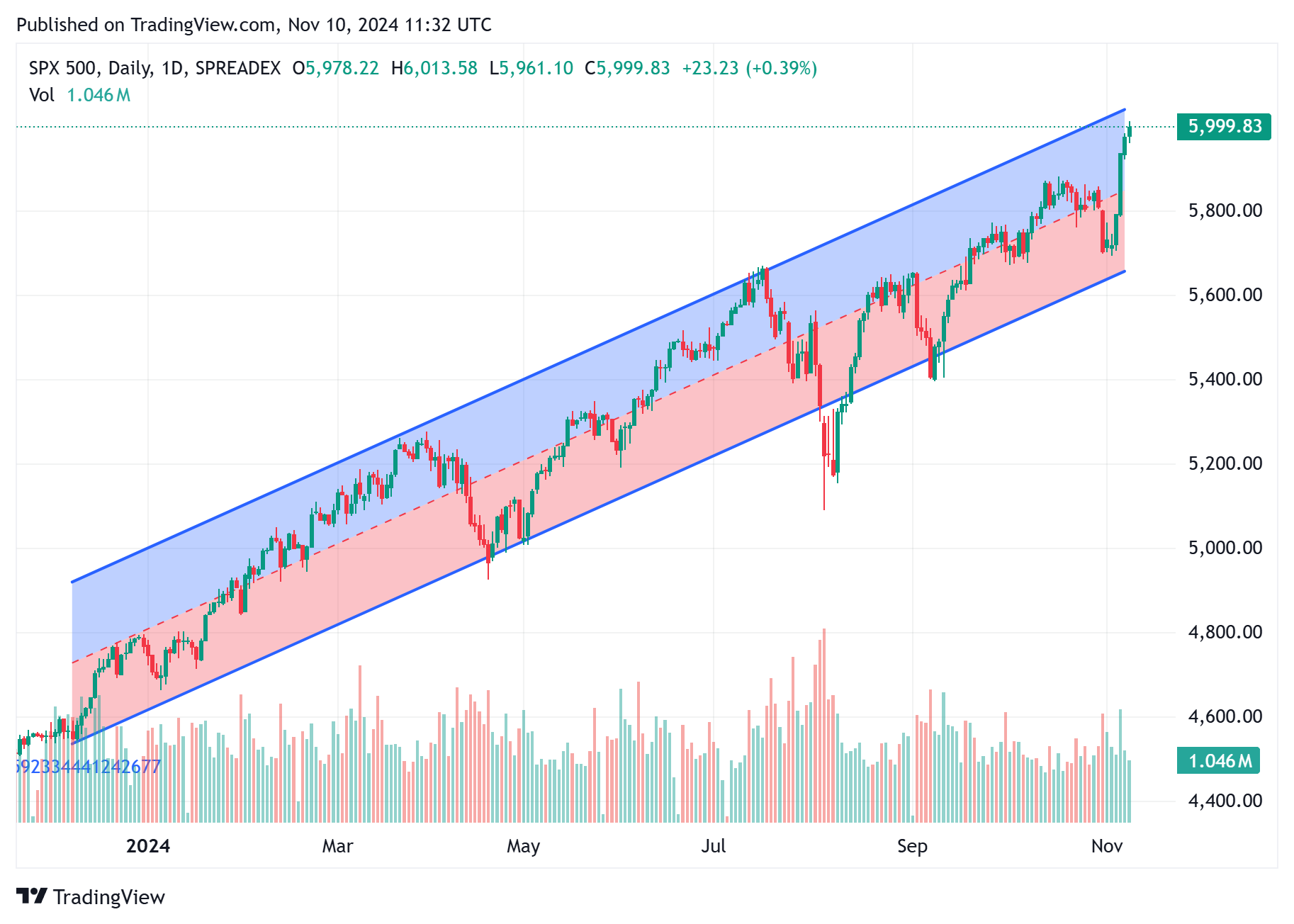
The SP 500 moved into unchartered territory, firmly reigniting the bull. The bullish trend channel is intact.
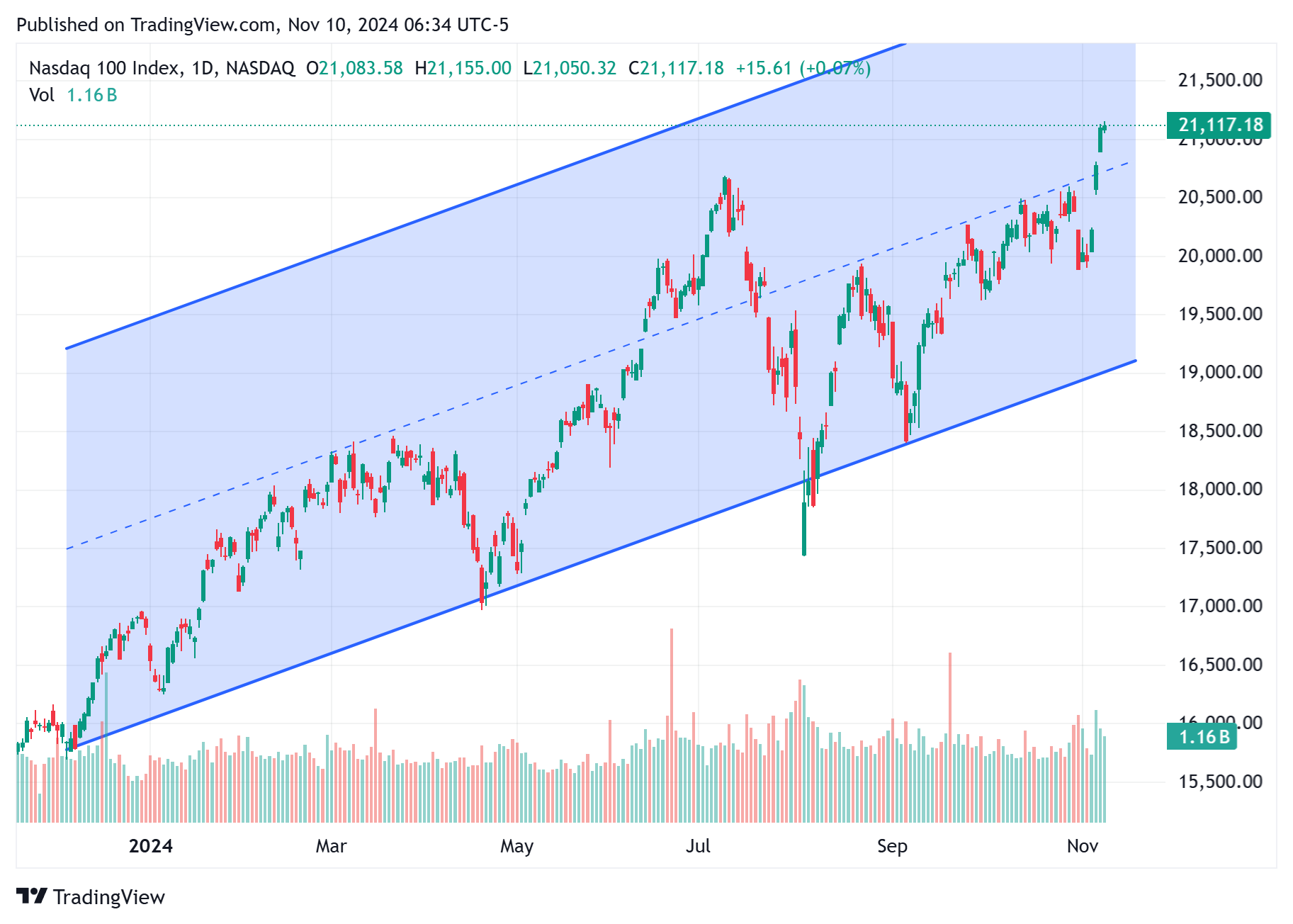
The Nasdaq 100 finally made a new ATH, wiping out most of the negative bearish divergences that developed in the past months.
While the chart looked like a double-top formation last week, it now seems another bull market leg is unfolding during the seasonally strongest 3-month period of the calendar year - November, December, and January.
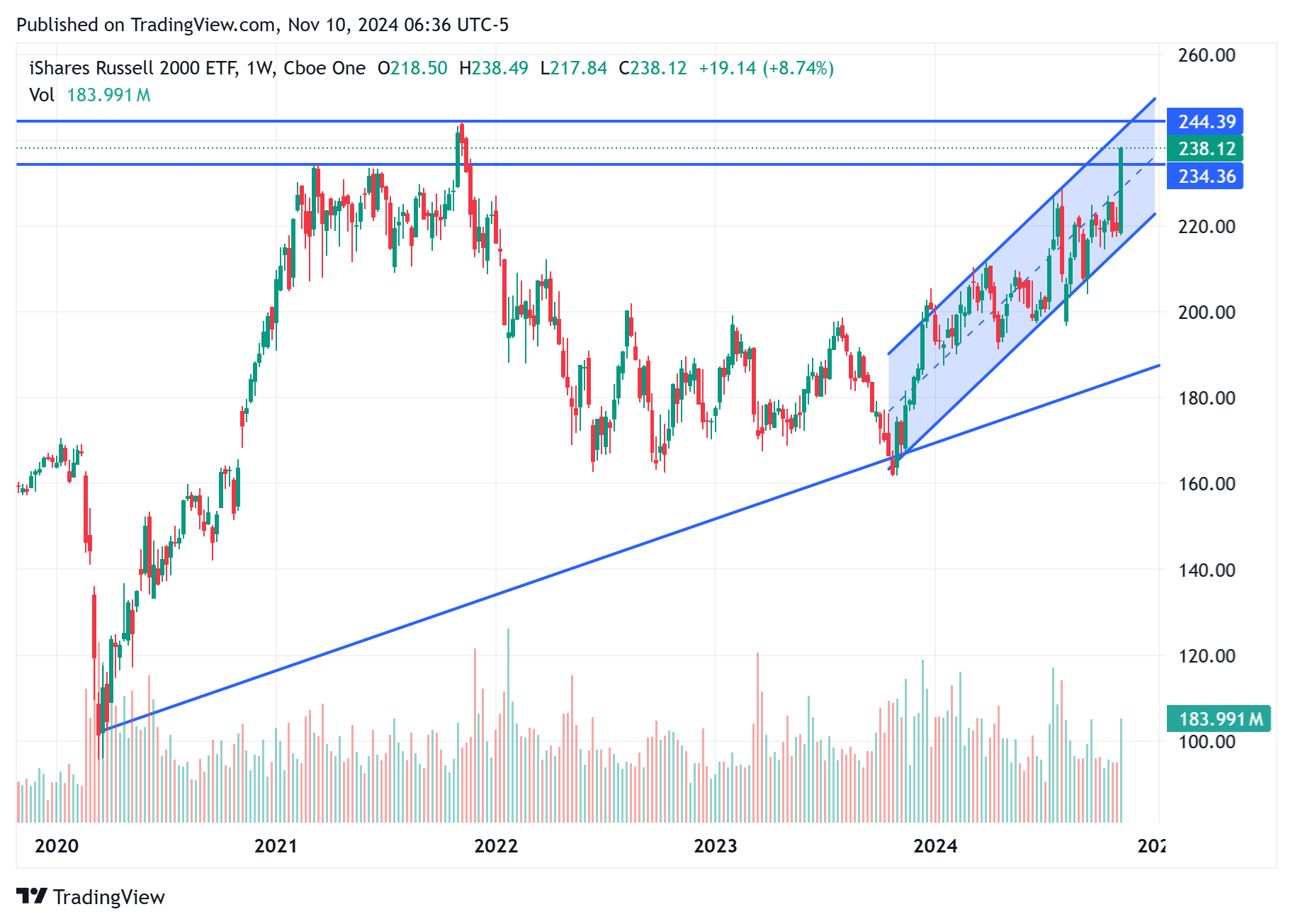
The R2K was the most robust equity index last week. The index failed to break above the multi-year resistance zone, where it could not move higher in the summer of 2024 and 2021. This may happen this week, depending on the outcome of the inflation numbers on Wednesday and Thursday.
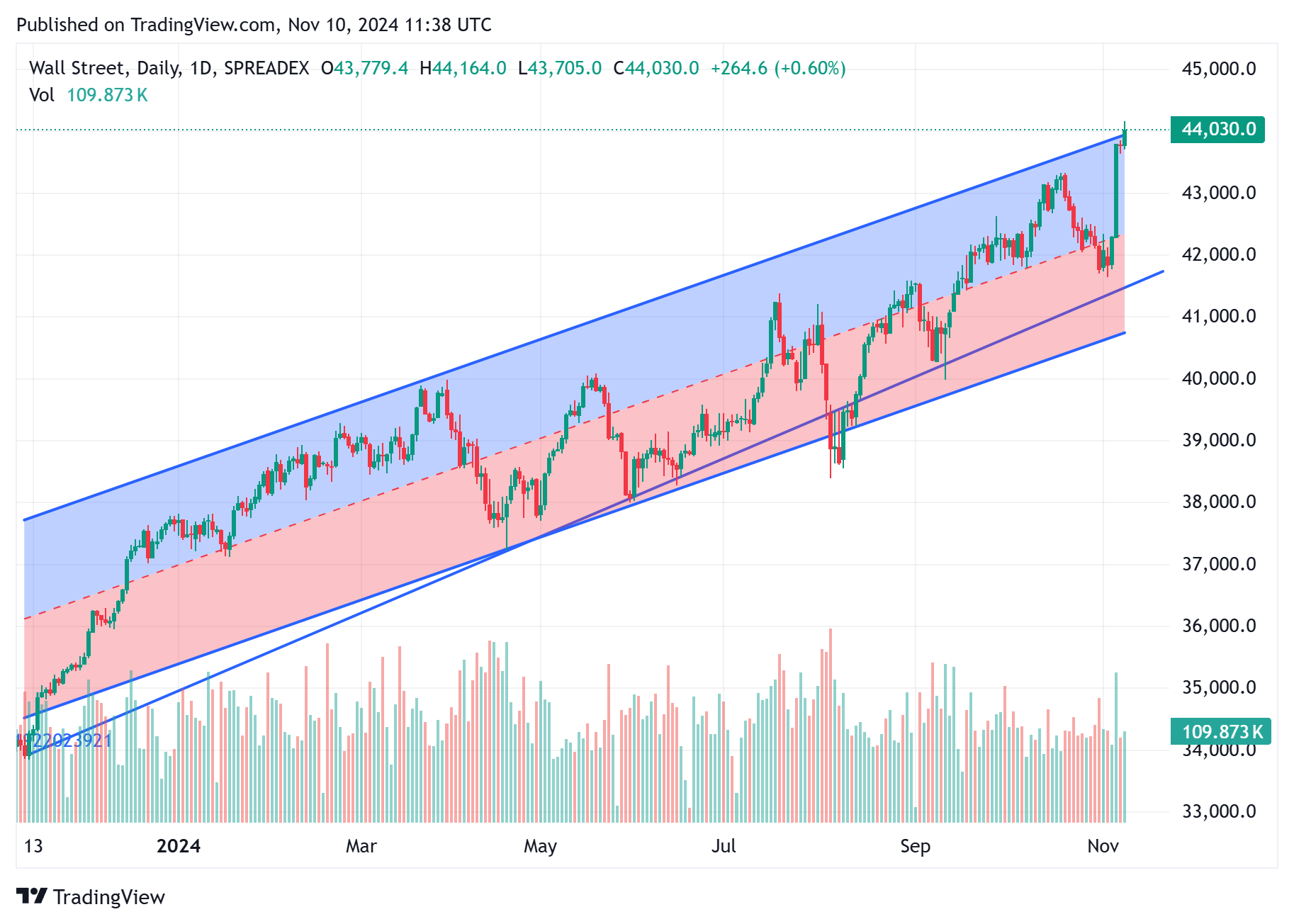
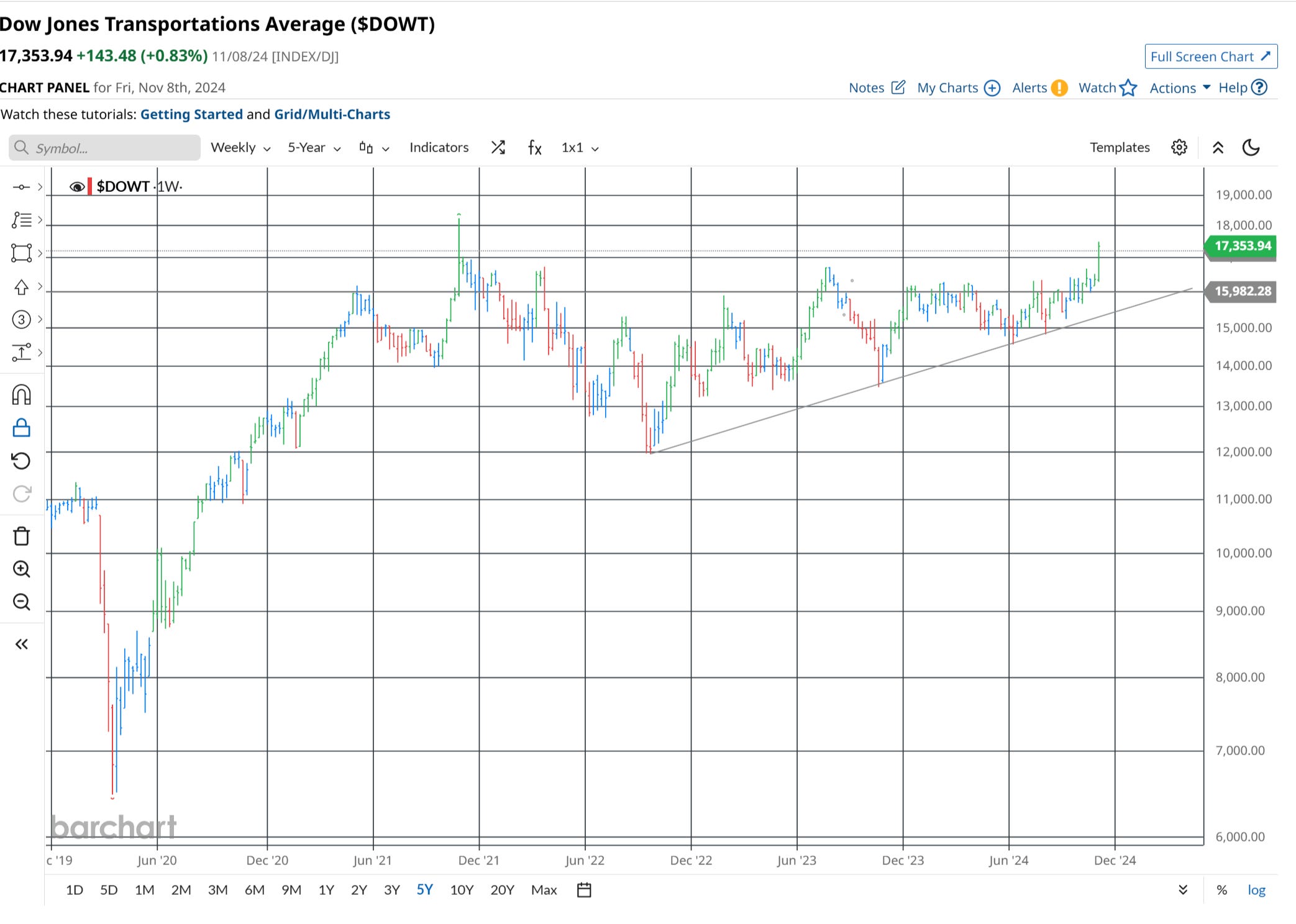
The bullish trend of the Dow Jones was confirmed last week. The ATH confirmation by the Dow Jones Transportation index is still missing, but the index broke above the 2022 and 2023 highs and is in striking distance to a new ATH.
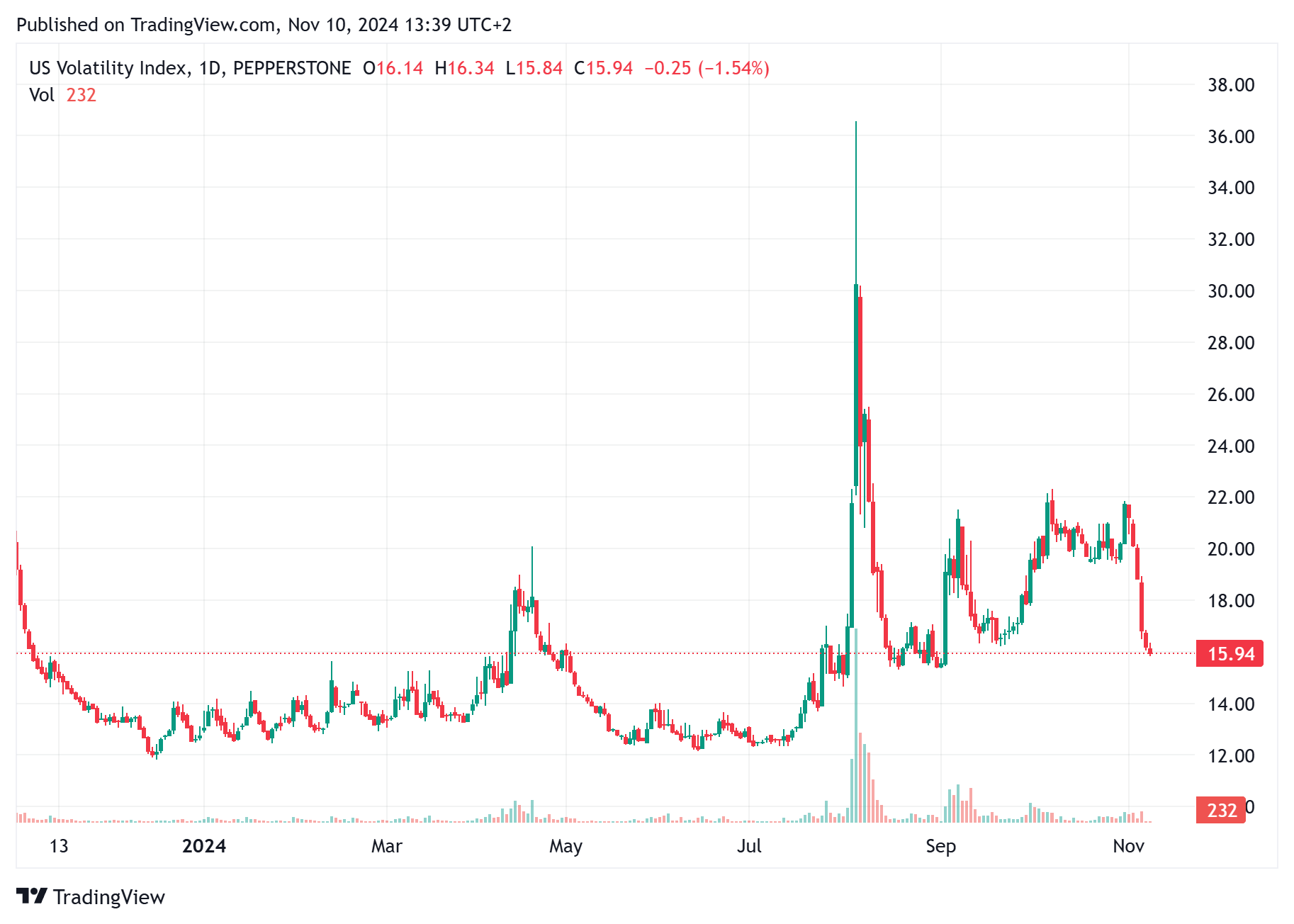
Equity volatility declined to normal levels. I expect the VIX to mostly trade between 10 and 20 until the end of the year.
Bond yields moved up initially only to recover and trade inside the 4.25 - 4.50 % yield range. The TLT ETF closed around 92.50 USD.
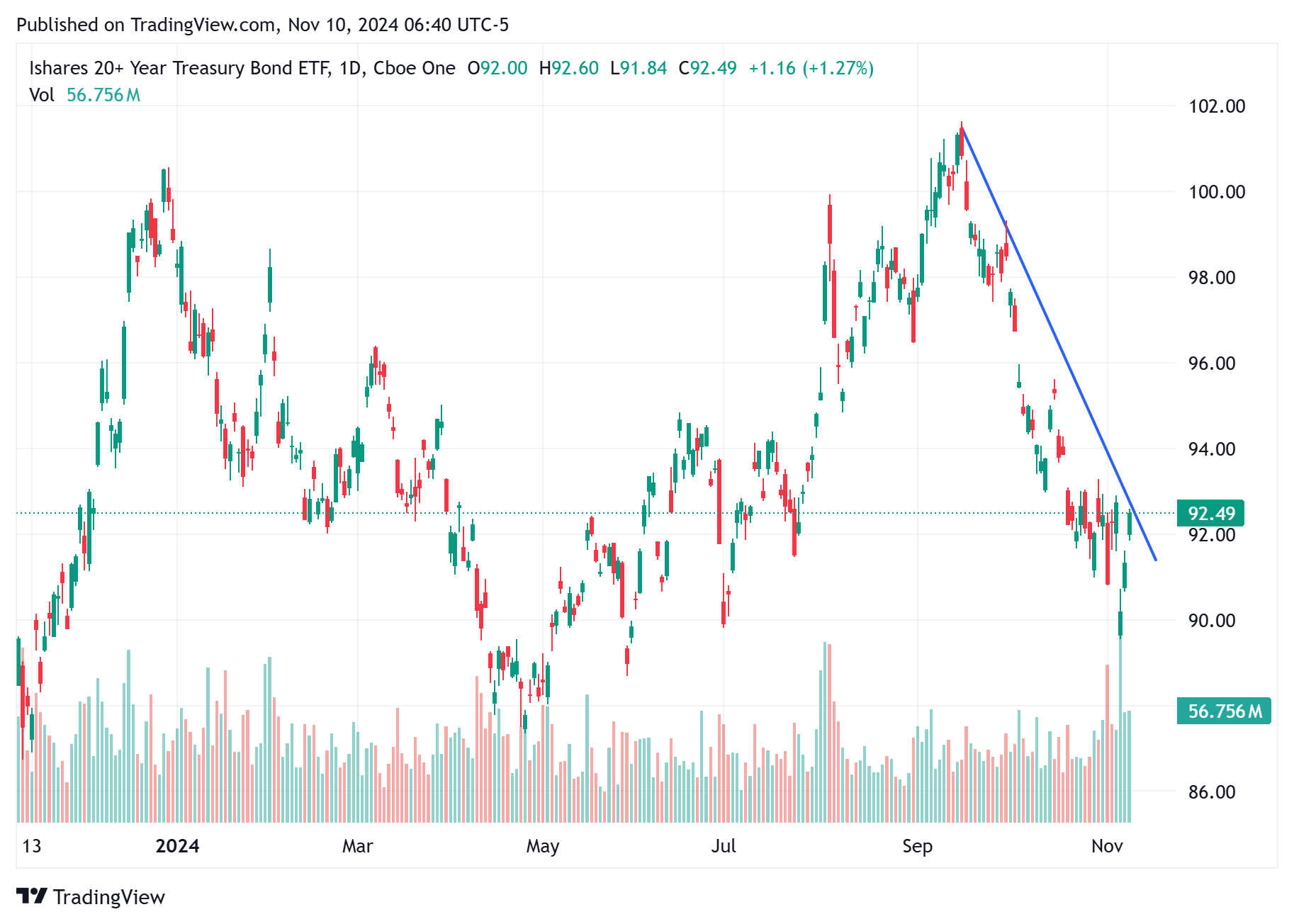
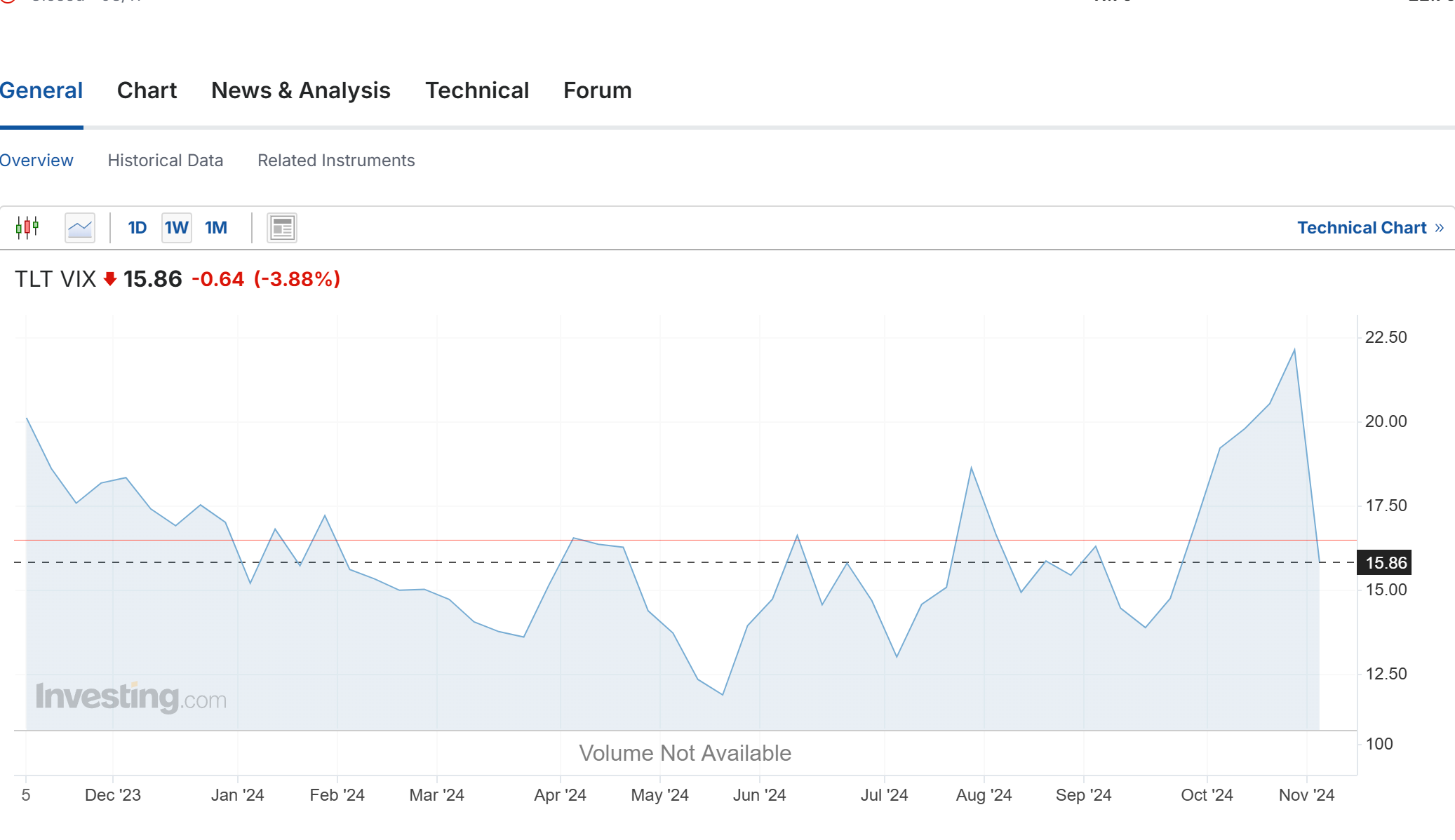
Bond volatility also declined. I expect bond volatility to stay elevated for the time being. I also expect bond vigilantes to stage another attempt to move the bond yield firmly above 4.50 % in the weeks ahead. Last week’s statement stays valid.
US presidents come and go, but this election may matter more than other ones. Why? Because there will be structural credit and deficit troubles ahead in the US, and how they are addressed will significantly impact whether we will have mediocre stock market returns in the next 10 years (the Goldman Sachs view) or (close to) double-digit annual returns (Ed Yardeni’s roaring 20s concept).
I anticipated a top in the TLT based on better-than-expected economic indicators rather than the beginning of another debt crisis like the one that occurred from August to October 2023.
I firmly believe that when the bond markets start to worry deeply about the federal deficit and debt and bond vigilantes push them south, moving prices of the TLT ETF to the bottom or even below its multi-month trading range, the stock market bull will end abruptly.
This trendline was broken to the downside in the last trading days of the previous week and confirmed by a weekly close on Friday, 1 November 2024!
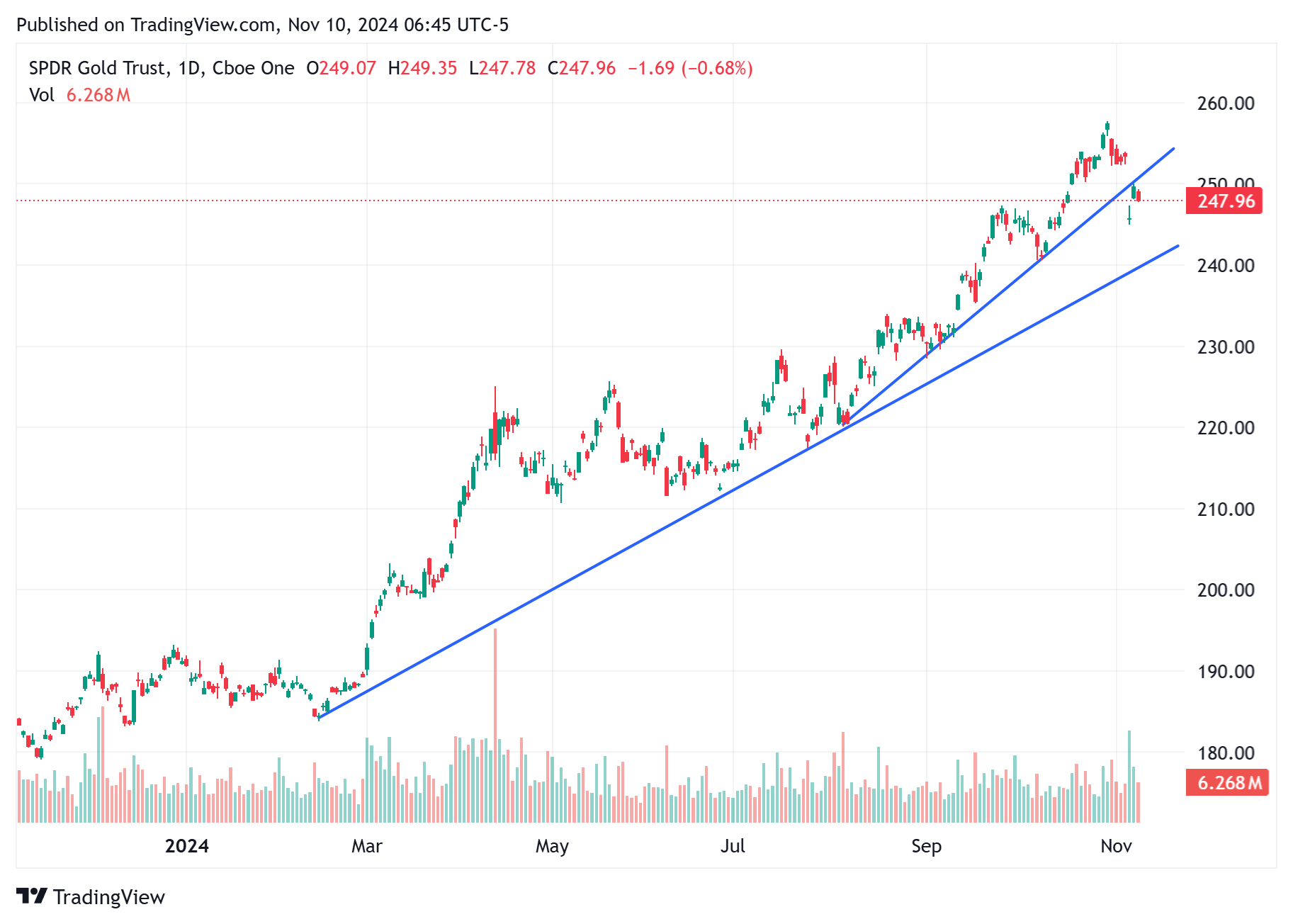
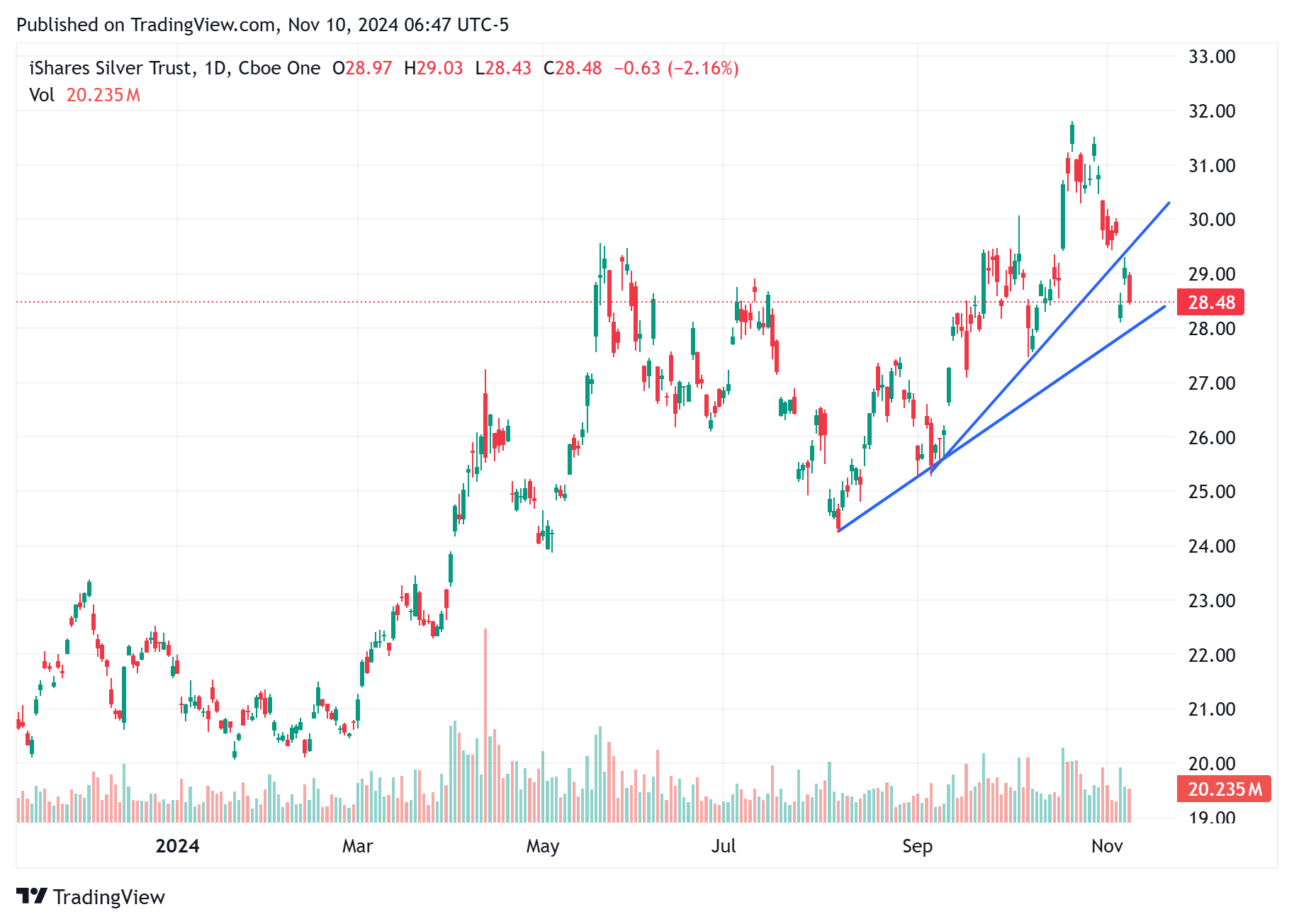
Like in 2016, gold fell on the Trump victory news. The uptrend in pace since the summer of 2024 was broken. The longer-term uptrend is still intact. I believe that the lower trend line of the trend in place since spring 2024 will soon be tested.
It may well be broken to the downside as the momentum-based speculative funds may favor digital assets over precious metals in the months ahead.
Silver exhibited similar price action and also moved lower. The same as with gold applies to silver.
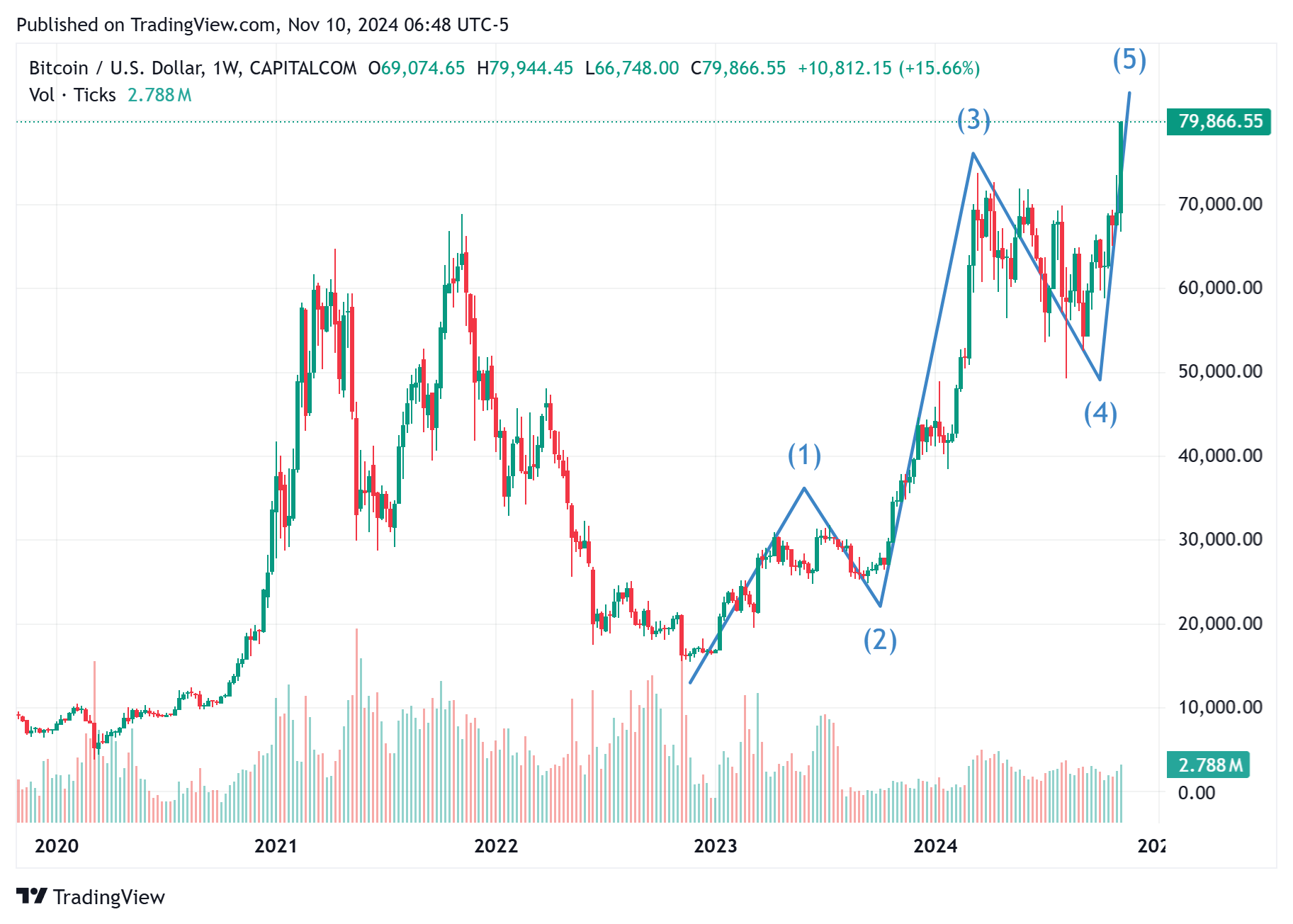
Bitcoin finally made a new ATH. It now trades above 80,000 USD and may soon reach 100,000 USD.
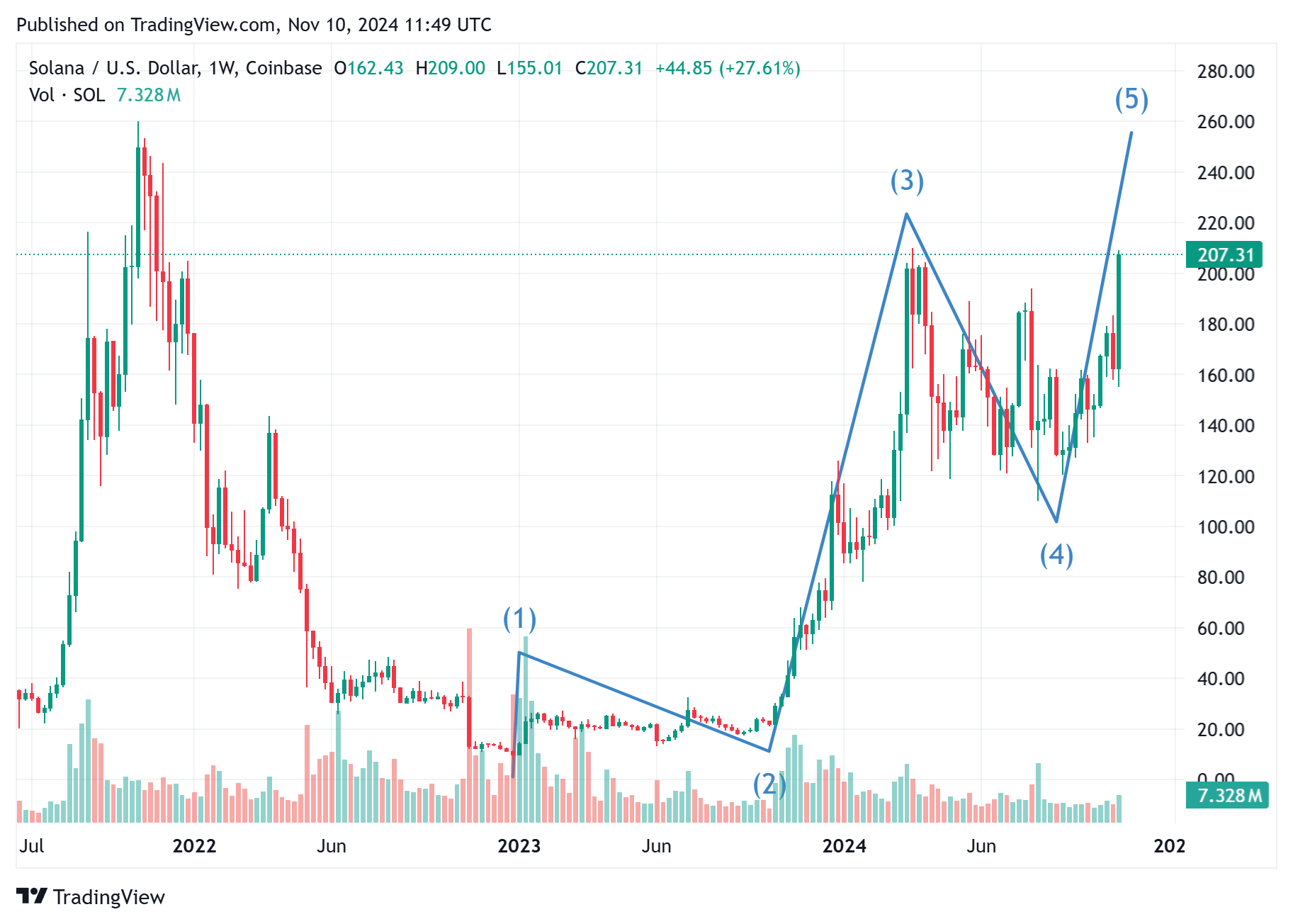
Solana advanced up to the resistance level at around 210 USD. It is on its way to reach the old highs north of 250 USD.
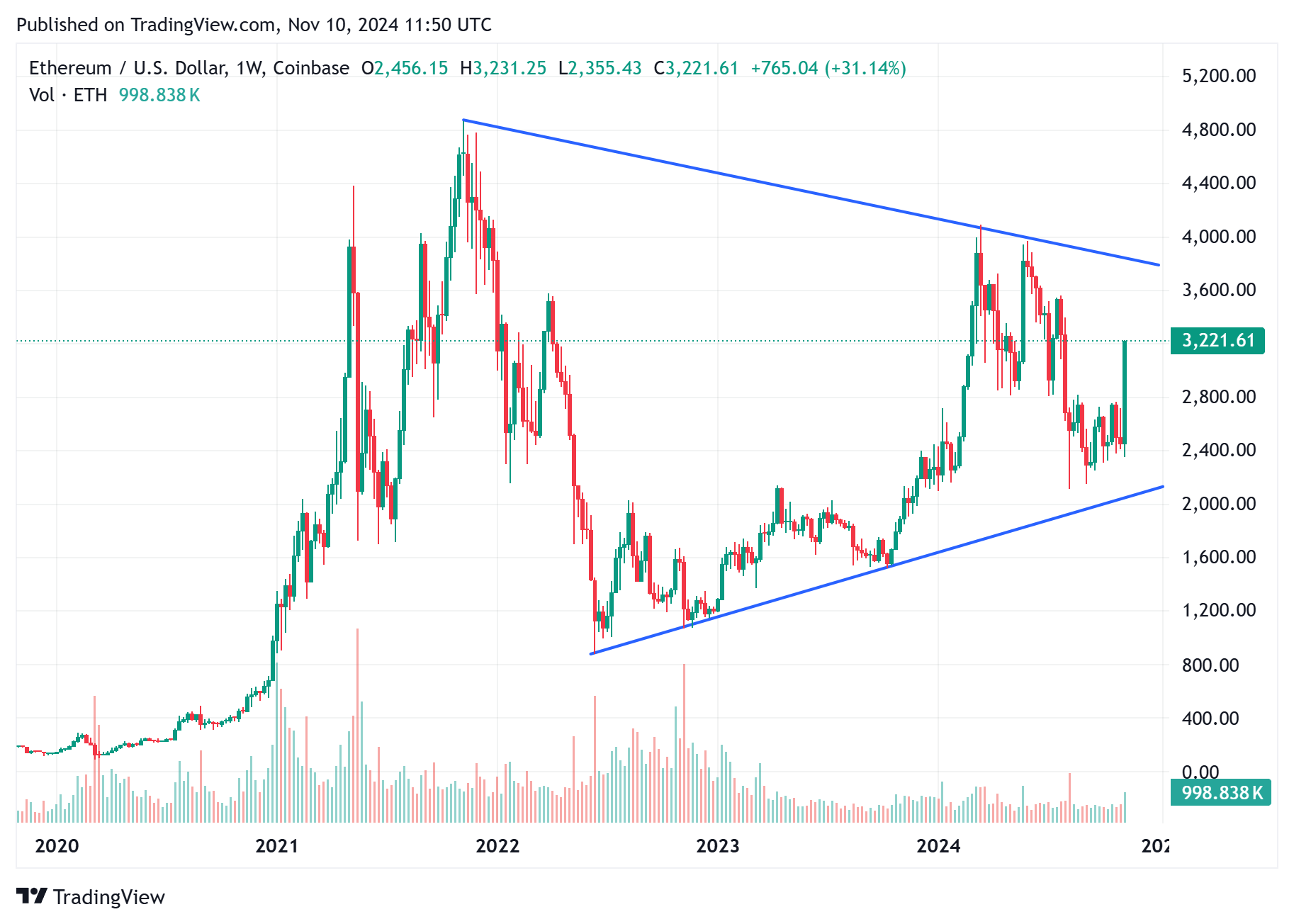
Ether is the digital laggard. It has moved up in the past week but has not been able to reach past the spring 2024 highs. It looks weaker technically than Bitcoin and Solana.
I still have no idea why Microstrategy has performed so much better than Bitcoin. I expect the shares to perform worse than the coins as the stock is overvalued based on the value of the SaaS part and the bitcoin holdings.
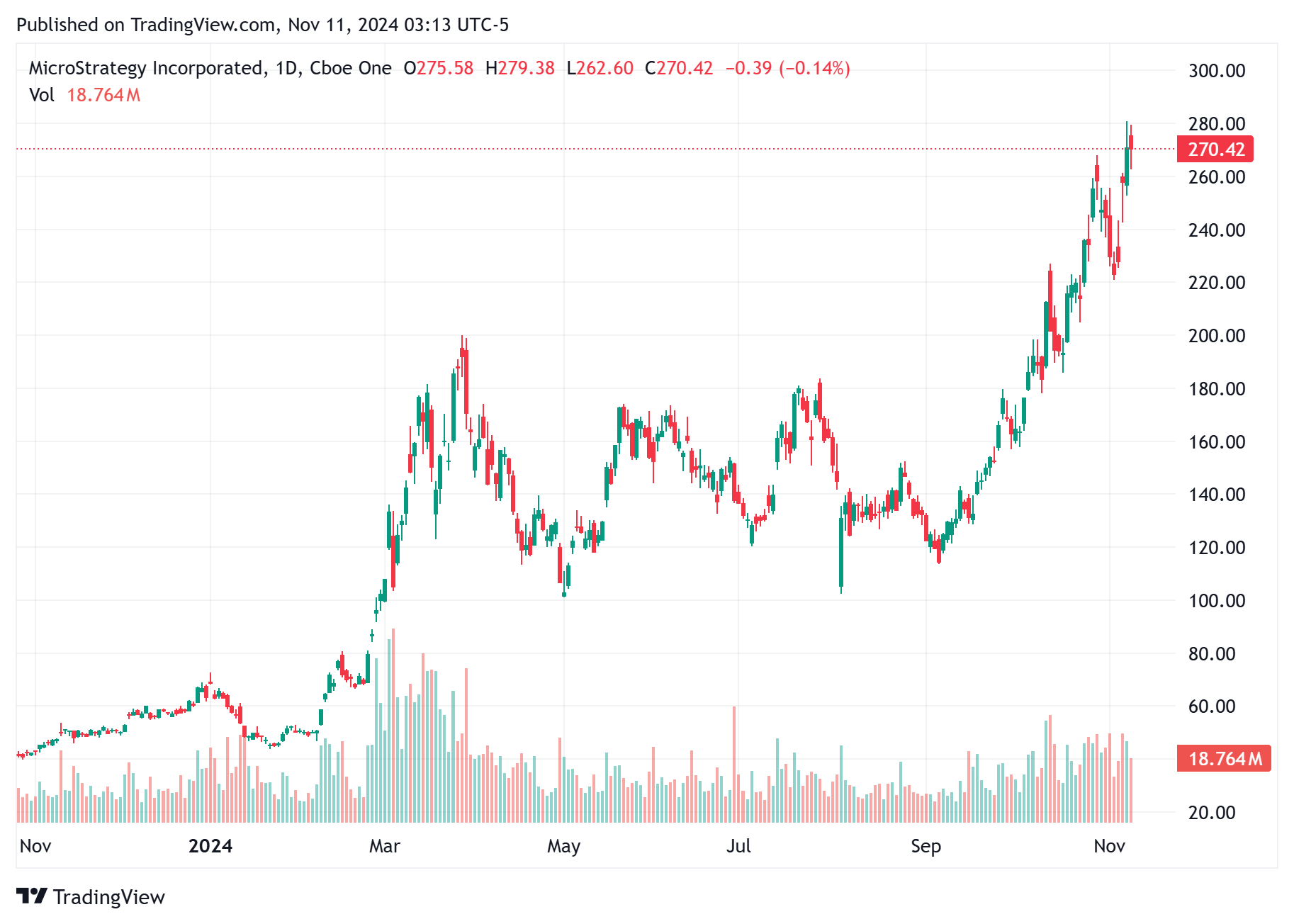
Meme-type speculation, insider knowledge, a reason to go short? I hold shares of Microstrategy as a leveraged Bitcoin proxy but do not trade them. I will continue to keep them.
(2) US Economy: Trumponomics
In his 2024 presidential campaign, Donald Trump outlined several initiatives to increase efficiency and reform the U.S. administration.
Government Efficiency Commission
Trump has pledged to establish a "government efficiency commission" to be led by Elon Musk. This commission is intended to conduct a thorough federal government audit and recommend significant reforms to eradicate fraud and improper payments. Trump claims this commission could achieve its goals, including eliminating fraud, within six months of its inception.
Reduction in Government Expenditures
Trump plans to drastically reduce government expenditures as part of his broader economic strategy. He has emphasized the need to cut unnecessary spending and streamline government operations to make them more efficient.
Regulatory Rollbacks
Trump has consistently advocated reducing regulations across various energy, finance, and infrastructure sectors. He believes that fewer regulations will lead to greater efficiency and economic growth. In his second term, he is expected to continue and expand his deregulatory efforts, including rolling back environmental and other regulations implemented during the Biden administration.
Streamlining Federal Agencies
Trump has proposed reclassifying a significant segment of the federal workforce, a plan known as 'Schedule F,' to facilitate the dismissal of civil servants he considers "rogue bureaucrats" or "corrupt actors." He also plans to relocate some federal agencies from Washington, D.C., to other parts of the country, aiming to reduce bureaucratic inefficiencies.
Presidential Power Over Spending
Trump has suggested reviving the practice of "impoundment," which would allow the president to reject congressional spending directives and redirect taxpayer funds. This move is part of his broader effort to reclaim presidential power over government spending from Congress.
Economic and Tax Policies
Tax Cuts and Extensions: Trump plans to extend the expiring provisions of the Tax Cuts and Jobs Act (TCJA), including making individual income and estate tax cuts permanent. He also proposes to lower the corporate tax rate to 15% for domestic production and reinstate the Domestic Production Activities Deduction.
Tariffs and Trade: Trump intends to impose tariffs of 10% to 60% on imports, particularly from China, and on products from companies relocating manufacturing out of the U.S.
Energy and Deregulation: He aims to reduce environmental regulations, increase fossil fuel production, and roll back fuel and emissions standards mandates to lower energy costs.
Immigration and Border Control
Mass Deportations: Trump has vowed to undertake the largest deportation of undocumented immigrants in U.S. history, using expedited removal processes and potentially deploying the military to assist. He also plans to end "catch and release" policies and restore migrant family separations to deter illegal immigration.
Border Wall and Citizenship: Trump intends to complete the border wall with Mexico and end "birthright" citizenship for children born in the U.S. to undocumented parents.
Health Care
Overhauling Health Systems: While details are vague, Trump has mentioned overhauling health and food systems with input from Robert F. Kennedy Jr. However, he has not prioritized health care as he did during his first term, and his plans for replacing Obamacare remain unclear.
Education
Cutting Federal Funding for Certain Schools: Trump has proposed cutting federal funding for schools that teach "critical race theory" and "transgender" matters. However, federal funding accounts for only about 8% of public school funding.
Environmental and Climate Policies
Rolling Back Climate Regulations: Trump plans to reduce environmental regulations, including those focused on emissions reductions from power plants, vehicles, and energy production. He opposes the Paris Climate Agreement and the Inflation Reduction Act, aiming to increase fossil fuel production and lower energy costs.
Government Reformation and Spending
Reclaiming Presidential Power Over Spending: Trump intends to revive the practice of "impoundment," allowing the president to reject congressional spending directives and redirect taxpayer funds. This move is part of his broader effort to reclaim presidential power over government spending from Congress.
Government Efficiency Commission: Trump has proposed establishing a government efficiency commission, led by Elon Musk, to audit the federal government and recommend significant reforms to eliminate fraud and improper payments.
Other Initiatives
Ending the Ukraine Conflict: Trump has promised to resolve the Ukraine conflict through negotiations within 24 hours, although specifics on his approach are lacking.
Pardoning January 6 Participants: Trump has committed to pardoning some individuals convicted for their roles in the January 6, 2021, Capitol riot.
Dismissing Special Counsel Jack Smith: Trump plans to dismiss Special Counsel Jack Smith, who is investigating Trump's alleged attempts to overturn the 2020 election and mishandling classified documents.
(3) US Stock Markets: Trump Winners and Losers
After President-elect Donald Trump's White House victory, some stocks may be poised for more upside. Apparent choices are banks and other financial stocks, fossil fuel and energy stocks, and defense.
Small-cap stocks may benefit from lower taxes and broad-based deregulation. I want to highlight four sectors that I think will particularly benefit from the Trump administration:
Public sector digitization and efficiency stocks
Donald Trump has pledged to establish a "government efficiency commission" to be led by Elon Musk. AI has the potential to enhance efficiency in government operations significantly.
The use of Artificial Intelligence (AI) in the context of enhancing efficiency in the U.S. government is a significant area of discussion and potential implementation. Here are some key points:
Potential Savings and Efficiency
Deloitte's research indicates that cognitive technologies, including AI, could free up hundreds of millions of public sector worker hours and save billions of dollars annually by automating specific tasks and allowing managers to shift employees to tasks requiring human judgment
Specific Applications
AI can be applied in various government functions to improve efficiency:
Immigration Processing: AI can help reduce backlogs and streamline the processing of immigration applications
Climate Change Mitigation: AI can be used to analyze data and develop more effective policies to address climate change
Tax Policies: AI algorithms can help design tax policies that enhance economic efficiency and equity
Government Services: AI can improve communication within federal government agencies and enhance the delivery of government services
Challenges and Barriers
Antiquated Infrastructures: Many government agencies lack the modern infrastructure necessary to support AI technologies
Workforce Preparation: The existing workforce may not be adequately prepared for the transition to AI-driven processes
Trump's Proposals
While Donald Trump's proposal for a government efficiency commission led by Elon Musk does not explicitly focus on AI, it does aim at broader efficiency reforms. However, there is no explicit mention of how AI would be integrated into this commission's work.
Given Musk's involvement and his background in innovative technologies, it is plausible that AI could be a part of the commission's strategy, but this remains speculative without further details.
A significant beneficiary could be ServiceNow. Trump's administration has emphasized the need for technological modernization within the federal government. ServiceNow's AI capabilities, including generative AI (GenAI) features, can support this modernization by enabling faster development of low-code apps, improving agent productivity, and enhancing citizen experiences. These advancements could be complementary to Trump's initiatives to modernize government operations.
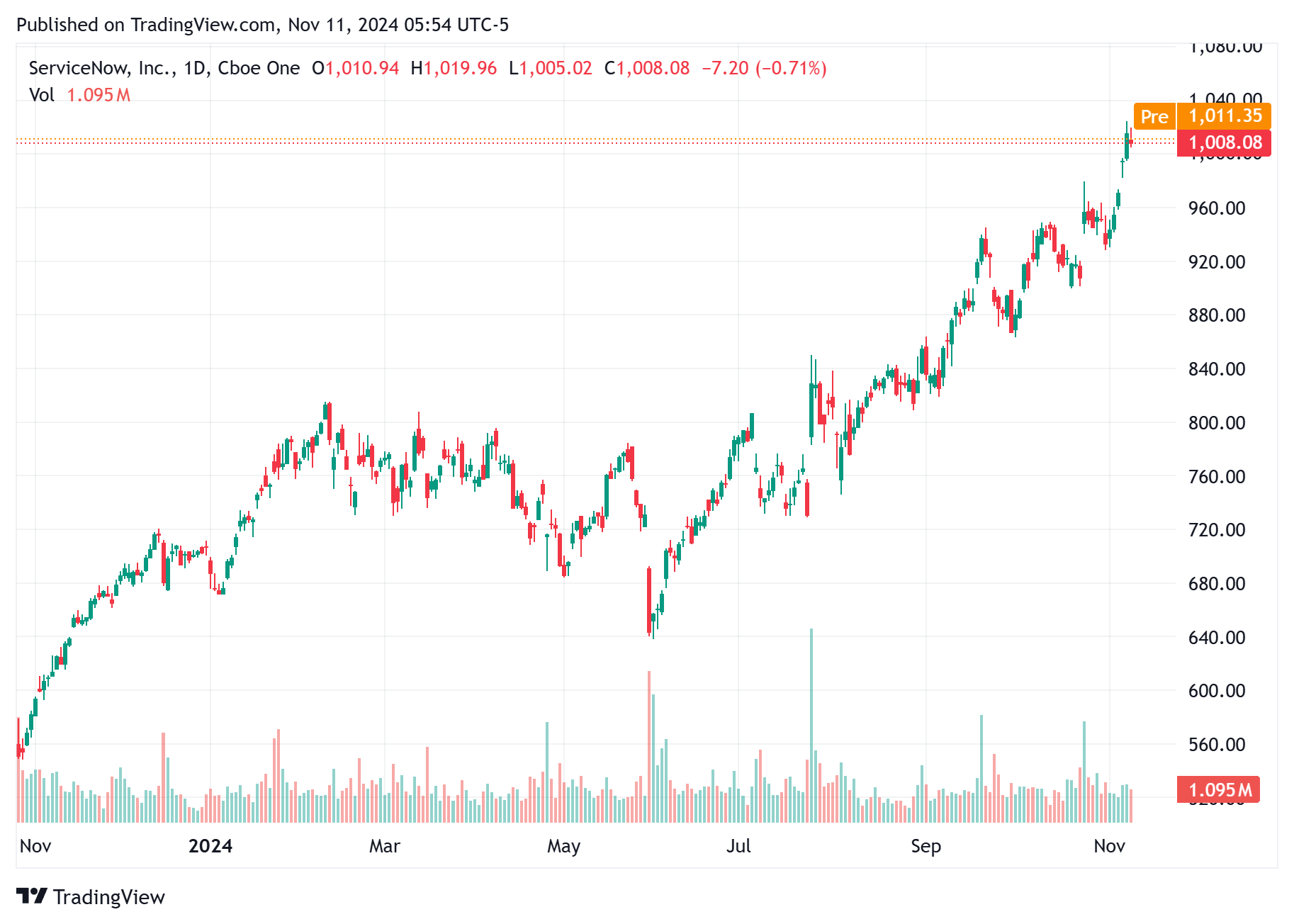
The ServiceNow platform is positioned as a central tool for AI-driven transformation in government. The platform includes AI features such as:
Automated responses to citizen queries
Personalized citizen communication
Improved service delivery
Enhanced compliance and risk management
Integration with other systems to streamline complex workflows
Clean food stocks
Donald Trump's stance on clean food, ultra-processed food, and the packaged food industry is complex and often contradictory, especially when comparing his past actions with his recent rhetoric.
In his current campaign, Trump has adopted a new rhetoric, influenced by his alliance with Robert F. Kennedy Jr., which seems to contradict his past actions:
"Make America Healthy Again" (MAHA) Campaign: Trump has started talking about removing toxic chemicals from the food supply, ensuring safe food, and addressing chronic diseases. However, given his track record, this message is seen as a departure from his previous policies and is met with skepticism.
Proposed Reforms: The MAHA agenda, as outlined by Kennedy, includes radical reforms such as banning sugary drinks and processed foods from the Supplemental Nutrition Assistance Program (SNAP), reforming farm subsidies to focus on healthier foods, and revamping pesticide regulations. However, given his past actions, these proposals are not officially part of Trump's campaign doctrine and are viewed as unlikely to be implemented.
The "Make America Healthy Again" (MAHA) initiative, as associated with Donald Trump's recent campaign rhetoric and his alliance with Robert F. Kennedy Jr., is a complex and multifaceted proposal that aims to address various aspects of public health, mainly focusing on food safety, nutrition, and the reduction of toxic substances in the environment and food supply. Here are some key details and proposed reforms:
Key Proposals and Objectives
1. Food Safety and Nutrition
Ban on Sugary Drinks and Processed Foods from SNAP: One of the proposed reforms is to ban sugary drinks and highly processed foods from the Supplemental Nutrition Assistance Program (SNAP). This aims to encourage healthier eating habits among low-income families.
Reform of School Nutrition Standards: There is a call to revert to or enhance the Obama-era school nutrition standards, rolled back during Trump's first term. This includes increasing the availability of whole grains, fruits, and vegetables in school meals.
Labeling and Transparency: Advocating for clearer labeling on food products to help consumers make informed choices about the ingredients and nutritional content of the foods they buy.
2. Toxic Substances and Pesticides
Banning Toxic Chemicals: The MAHA initiative proposes banning or strictly regulating toxic chemicals in food, water, and the environment. This includes pesticides like glyphosate (Roundup) and other substances linked to health issues.
Reform of Pesticide Regulations: Kennedy and allies have called for a complete overhaul of pesticide regulations, arguing that current standards are inadequate and fail to protect public health.
3. Farm Subsidies and Agricultural Practices
Reform of Farm Subsidies: The proposal includes changing farm subsidy programs to incentivize the production of healthier foods, such as organic produce and whole grains, rather than primarily supporting corn and soybean production for processed foods.
Support for Small and Organic Farmers: There is a push to support small, local, and organic farmers through policy changes and financial incentives, aiming to promote more sustainable and healthier agricultural practices.
4. Environmental Health
Clean Water Initiatives: Ensuring clean drinking water by strengthening regulations on water pollutants and enforcing stricter standards for water quality.
Air Quality Improvements: Reducing air pollution by implementing stricter emissions standards and promoting cleaner energy sources.
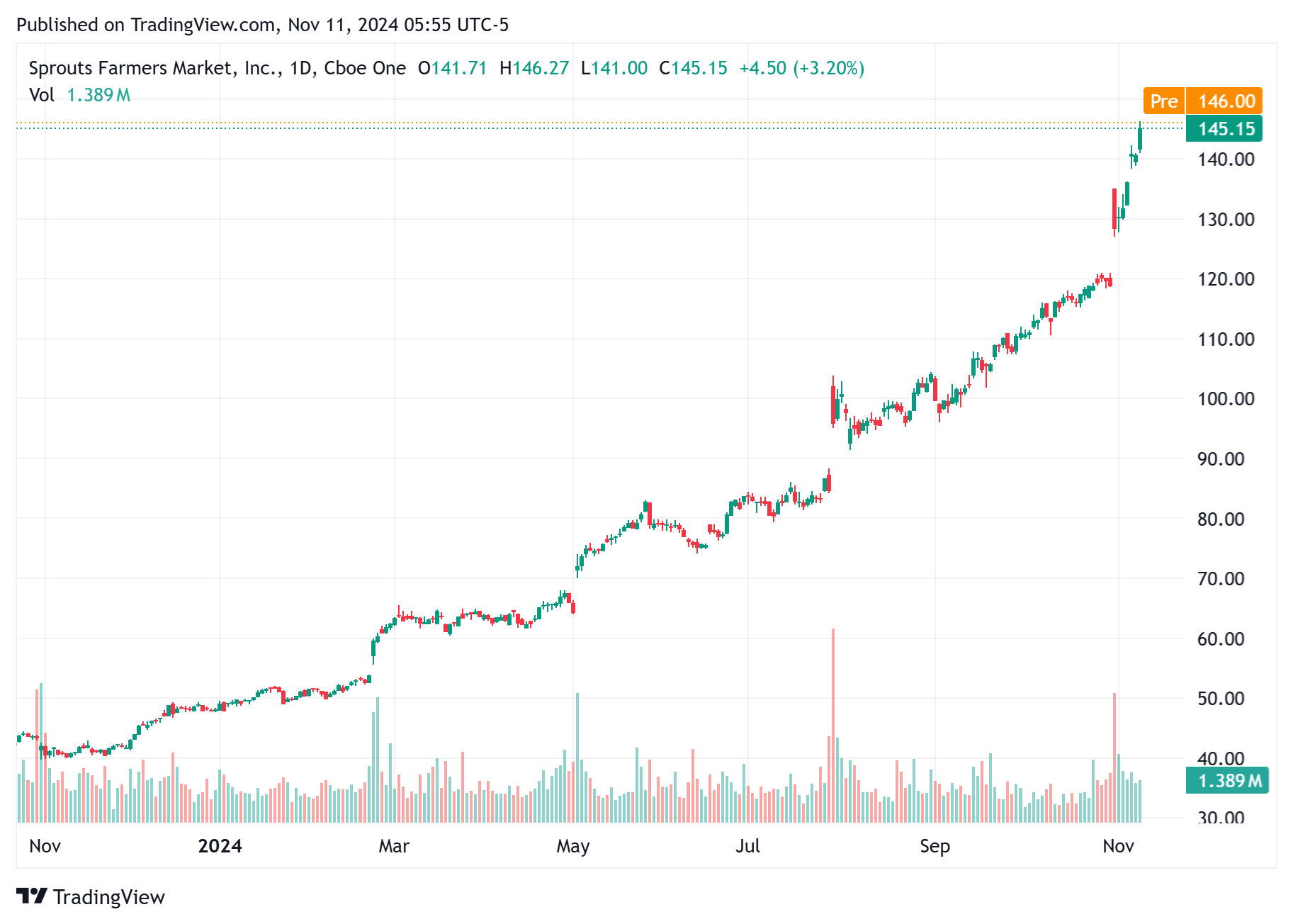
Sprouts Farmers Market and similar companies focusing on healthier nutrition and foods may benefit from these policy changes.
Housing
Affordable Housing: Trump aims to make housing more affordable by reducing regulations, opening federal land for construction, and preventing undocumented immigrants from getting mortgages. He also proposes a home-building program on federal land.
Manufacturing Revitalization: Trump wants to cut the corporate tax rate to 15% for U.S.-made products and impose tariffs on companies moving production overseas. He aims to revitalize the manufacturing sector by reducing costs for U.S. manufacturers.
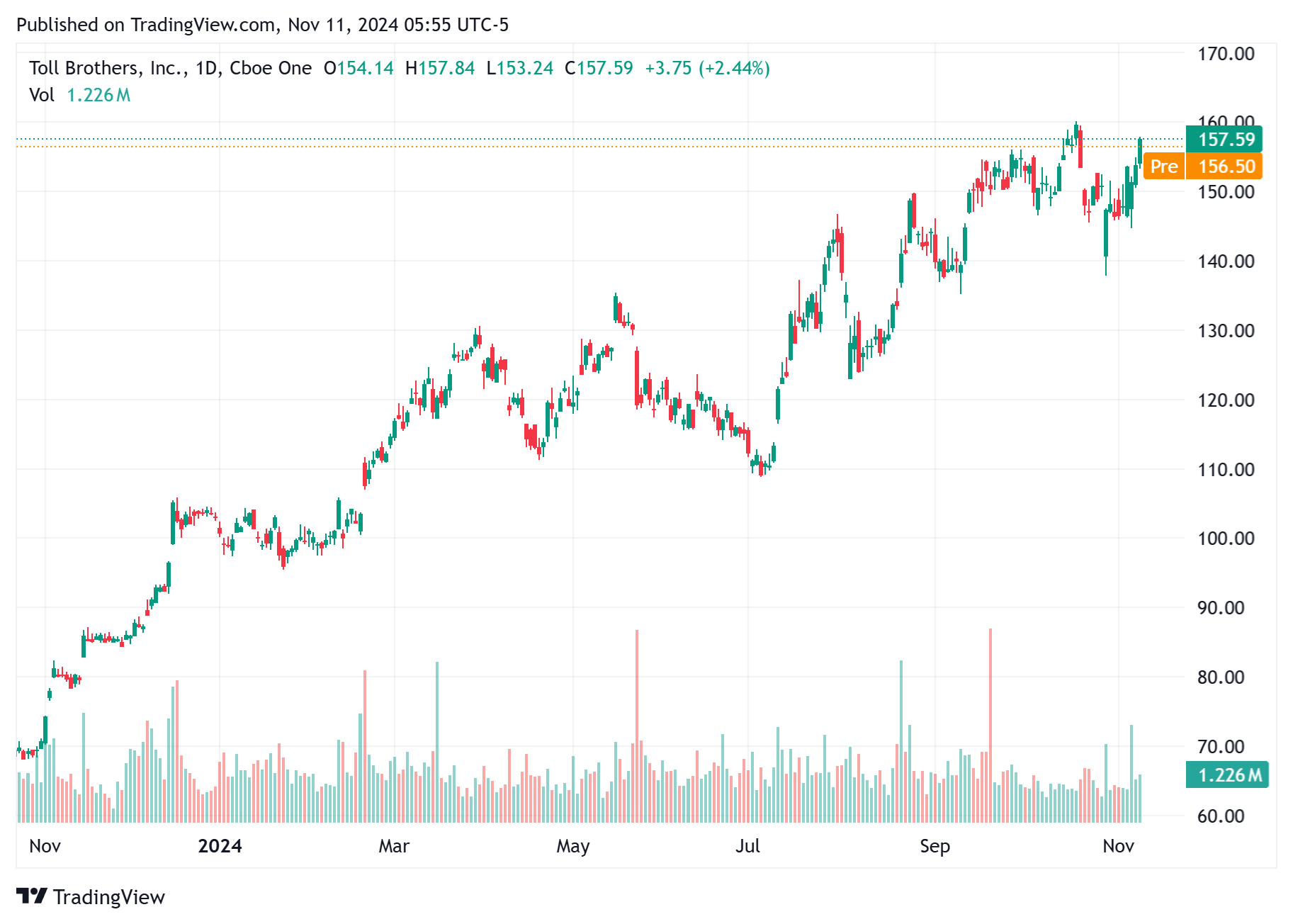
The current housing problem in the US is both an availability problem and an affordability problem. The Trump policy measures may benefit the housing industry if, on the other hand, interest rates do not rise because of rising fiscal and budgetary deficits and the bond vigilantes taking center stage.
Crypto stocks
The Trump Crypto Narrative is more than one story; it is at least four.
Trump’s election does change the prospects of (1) the Bitcoin narrative, (2) the Gensler and Defi narratives, (3) the manosphere narrative, and some Meme Coin narratives, such as AI, RWAs, and Murad meme coins and (4) the end of QT.
Trump wants the US to begin forming a strategic reserve of BTC. This is positive as it removes a BTC selling overhang, namely that the US might sell extensive holdings confiscated from various nefarious agents. It adds buying pressure on BTC and cements its status within the global financial system. The gain from removing a selling-pressure overhang is real. The strategic reserve of BTC is a long way off.
Gary Gensler, the current chair of the SEC, is the crypto industry’s most hated person. Elizabeth Warren is a distant second.
Trump’s repeatedly said he would “fire” Gensler “on day one.” It is customary for SEC chairs to step down when a new president takes office. Trump has to do nothing to keep his promise.
Given this, it is unlikely that the various SEC suits will go forward at all until a clear regulatory framework is in place. UNI and AAVE may be fine. POL did a bump (it’s also being sued), and even Cardano (ADA) jumped. Synthetix (SNX) cannot go back to posting oil and stock derivative coins.
DeFi won’t be back where it once was. The most obvious winner is likely ETH (and Solanda) since DeFi is ETH’s killer app. It has a long way to go in catching up to BTC this cycle, and now its future looks more promising.
The manosphere is a loose association of public personalities, vloggers, and podcasters ranging from Joe Rogan and Jordan Peterson to Andrew Tate and Nick Fuentes, who have been Trump’s ardent supporters.
Meme coins represent various features of this cultural space. Based on the model Ernst Khalimov, the Giga Chad coin is a masculine ideal. SIGMA is a Gen Z phrase that crosses into the manosphere realm to indicate “the best man.”
The post-Trump manosphere narrative will boost these well-known coins and continue supporting them or similar coins.
The ending of QT - likely in December 2024 - may boost the whole coin sphere.
(4) US Stock Market Seasonality: Riding the Bull in November, December, and January
The final quarter of the calendar year has historically been the best quarter of the SP 500. December, April, and November have been the three best months of a calendar year.
On average, the 2-monthly period from November until December is also the best bi-monthly period of a calendar year.
Except for 2016, when Donald Trump won the presidential elections for the first time, price action has been positive since 2013.

Over the past ten years, the average performance of the S&P 500 during November and December was approximately 4.41%.
Data shows that during election years, the S&P 500 has historically underperformed in the September-to-early-November period compared to non-election years.

The best day of a calendar year has historically been October 28. The final ten days of November have been the best ten-day streak of the calendary year historically.
Nvidia is scheduled to report earnings on 20 November 2024 after market close. The report will be for the fiscal quarter ending Oct 2024.
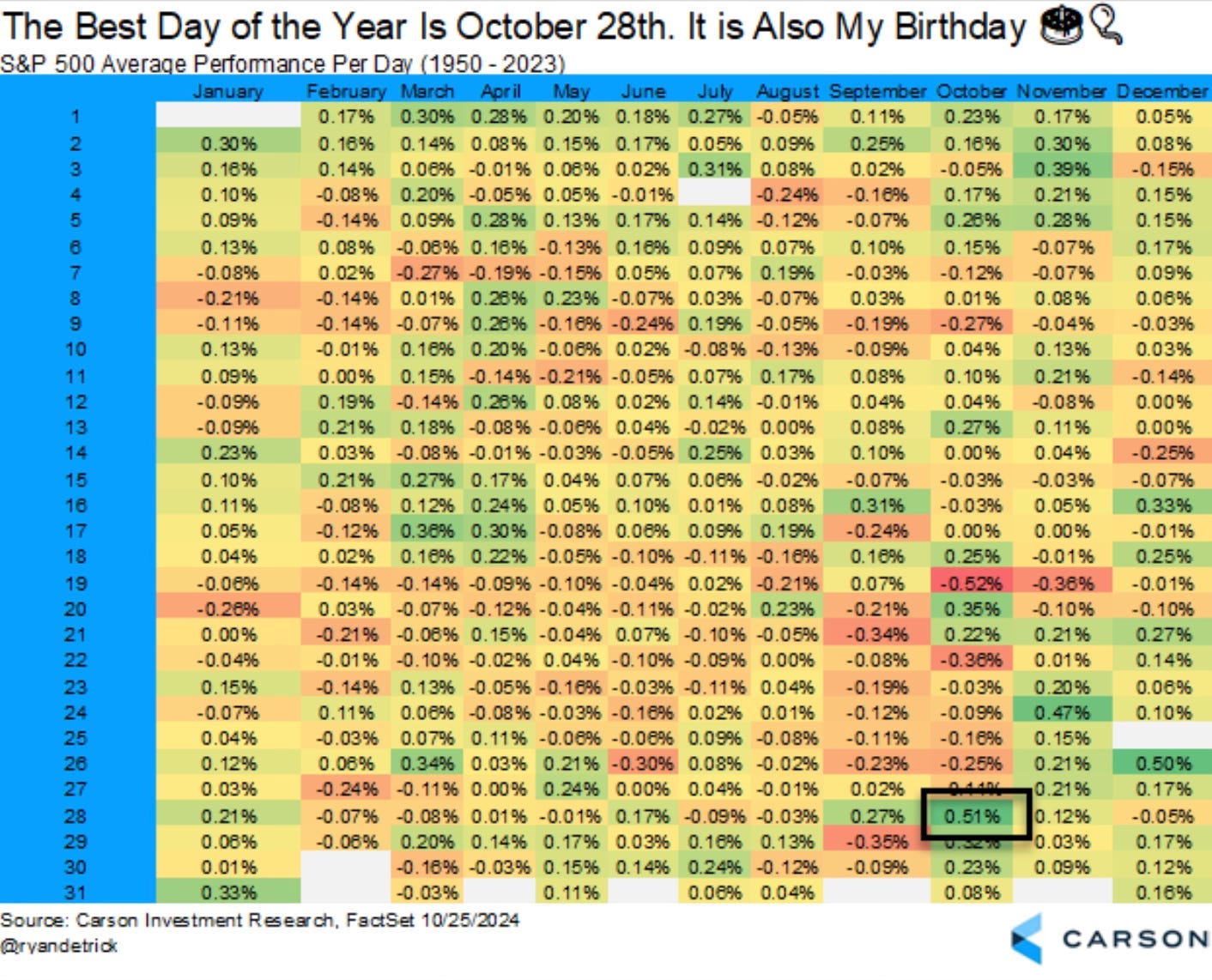
The table above is from Carson Investment Research.
(5) Long-Term Analysis: Elliott Waves - Nasdaq 100
Nasdaq 100 has been in a bull market since autumn 2022. It may be in the final wave before completing five extended waves (nine waves) up.
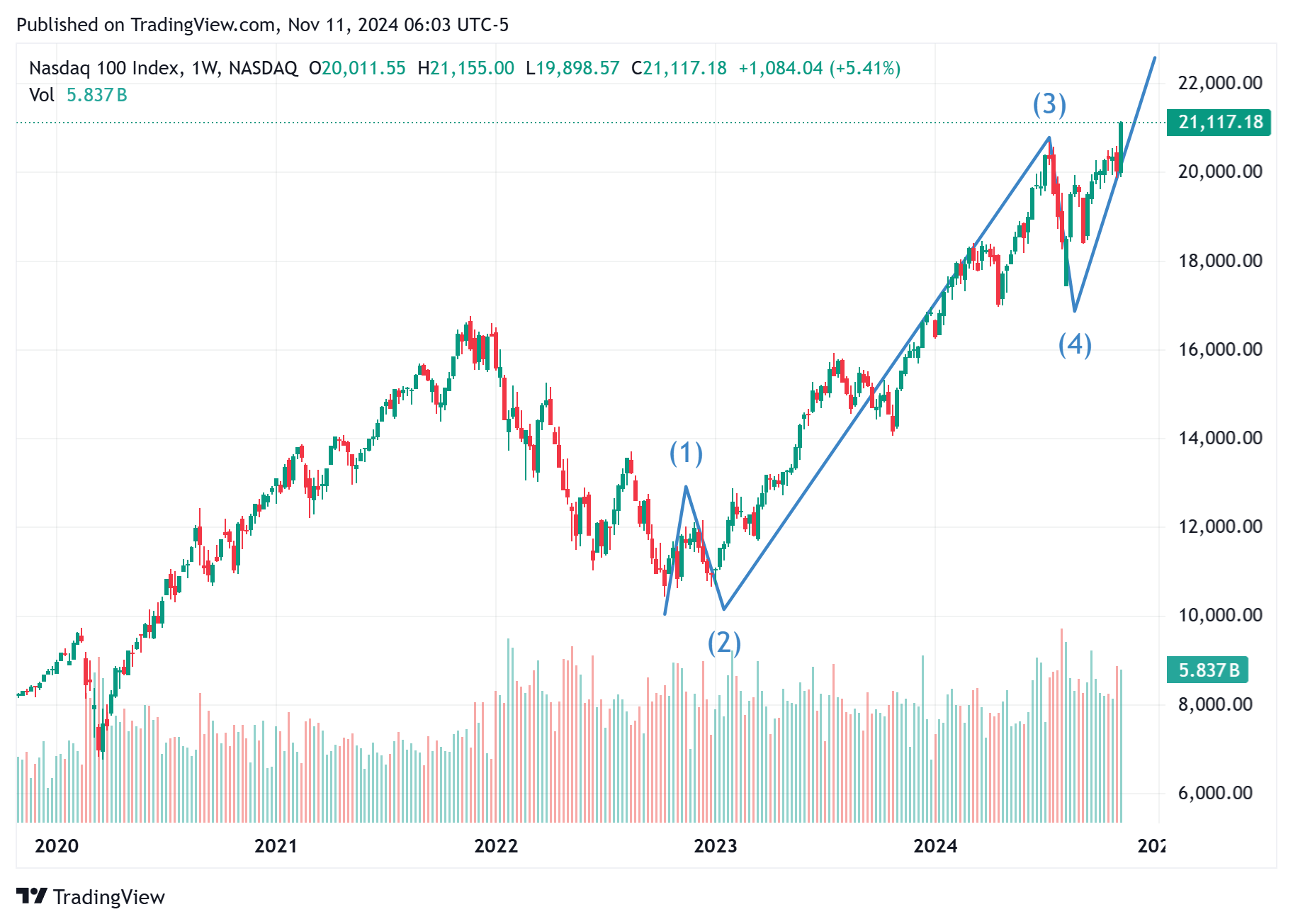
The current move until last week's top looked like a wave b to me. In that case, I reasoned that we would not see a year-end rally starting directly after the election but rather a wave c and a test of the August lows first.
The year-end rally would only begin on November 20, when Nvidia reported earnings. Unless we see very negative inflation figures this week, the clear-cut Trump victory made that count wrong.
Given the strong seasonality from early November until the end of January and the macro picture, we will most likely see a continuation of the bull market in the weeks ahead.
For me, this week’s price action is more important than last week's initial reaction. I like to watch how the week proceeds and give a more precise assessment of what I think will happen until the end of January next week.
